When considering the optimal placement of LED flood lights, one question often arises: "What is the best mounting height for LED flood lights?" Industry expert John Thomas, a lighting designer with over 15 years of experience, emphasizes that proper height is crucial for effective illumination. He states, "The right mounting height can transform a space from dim to brilliantly lit."
The ideal height largely depends on the purpose of the flood lights. For security purposes, mounting them 8 to 12 feet high can create strong lighting. If used to enhance aesthetics in outdoor spaces, a lower height of 6 to 10 feet can provide a warm and inviting glow.
Choosing the right height requires careful thought. Too high, and the light may fail to cover the intended area effectively. Too low, and it could create harsh shadows or excessive glare. Achieving the perfect balance is key. Homeowners often need to experiment with positioning to find the most effective arrangement. Understanding the environment and the specific needs of the area will guide the final decision.
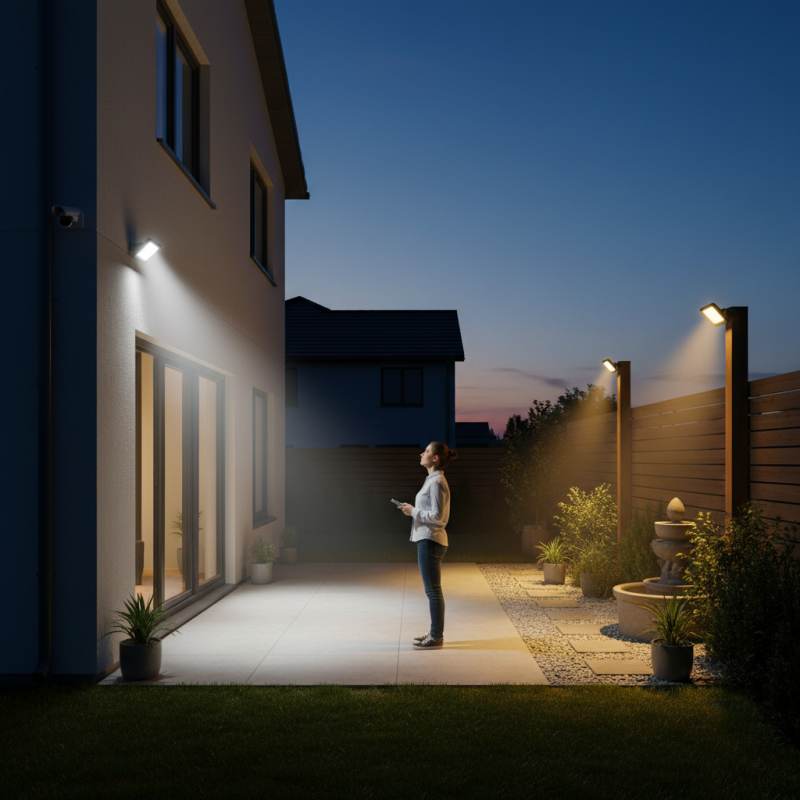
Selecting the ideal mounting height for LED flood lights is crucial for optimal performance. The right height ensures proper illumination without creating unwanted shadows. Typically, common mounting heights range from 10 to 20 feet. However, specific needs may vary based on the area and purpose.
For large outdoor spaces, a height of 15 to 20 feet is often recommended. This allows for broader coverage and better visibility. Conversely, for smaller areas or tasks requiring focused light, consider mounting the lights lower, around 10 to 12 feet. It's important to assess the layout of the space. If trees or structures obstruct light, adjustments may be necessary.
Installation should also account for light dispersion and angles. Sometimes, lower lights create harsh glares. Experimenting with different heights might be necessary to achieve a balanced look. Consulting with a lighting expert can also provide more insights. Balancing practicality with aesthetics can lead to better results.
When considering the mounting height for LED flood lights, several factors come into play. The primary purpose of the flood light, whether for security or general illumination, can dictate the ideal height. For larger areas, higher mounting can ensure broader coverage. Conversely, lower mounting may enhance visibility for specific spots.
The type of space also matters. For example, a sports field may require lights mounted 20 feet or higher to cast an even glow. In contrast, residential areas often benefit from heights between 10 to 15 feet. Additionally, the beam angle influences the height choice. Wider beams can be positioned higher without losing efficiency.
Environmental elements should not be overlooked. Proximity to trees, buildings, or other obstructions can impact light distribution. Seasonal changes and weather can also affect lighting needs. It’s essential to keep in mind these considerations while installing LED flood lights. Reflecting on these factors can lead to better lighting solutions and more efficient energy use.
| Application | Recommended Height (Feet) | Area Coverage (Square Feet) | Light Intensity |
|---|---|---|---|
| Parking Lots | 15-20 | 2000-3000 | High |
| Sports Fields | 20-30 | 4000-8000 | Very High |
| Residential Areas | 10-15 | 1000-1500 | Medium |
| Commercial Buildings | 15-25 | 1500-2500 | High |
| Construction Sites | 20-30 | 3000-5000 | Very High |
When selecting mounting heights for LED flood lights, understanding the application is key. For residential areas, a typical mounting height is around 10 to 15 feet. At this height, lights can effectively illuminate walkways and yards without causing excessive glare. A study from the Lighting Research Center indicates that mounting heights of 12 feet provide optimal light distribution while reducing shadows.
In commercial spaces, such as parking lots or sports fields, recommended heights increase to 20 to 30 feet. Flood lights installed at this height cover larger areas and improve visibility. Research has shown that a height of 25 feet enhances safety and security, particularly in high-traffic areas. However, it's important to assess local conditions since variations in height can result in undesired dark spots or over-lighting.
For industrial settings, mounting heights may reach up to 40 feet. This allows for extensive coverage in expansive workplaces. However, careful consideration is crucial, as improper heights can lead to combined glare and inadequate illumination. Adjusting angles and using appropriate light intensity can mitigate these issues. Effective planning is critical to achieving the right balance between functionality and comfort in various environments.
When considering the optimal height for mounting LED flood lights, adjustments for obstructions are crucial. If trees, buildings, or poles stand in the way, they can block light distribution. A well-placed flood light eliminates shadows and dark spots. Ensure that the surrounding area is clear to maximize the effectiveness of the light. Light should reach intended areas without interference.
Light distribution is equally important. The angle and height at which lights are mounted can significantly alter their effectiveness. For broad coverage, lights mounted higher often spread illumination over larger areas. However, too much height can reduce the intensity of light where it is most needed. Test fittings at different heights can help you visualize effects. Analyze the surrounding environment before finalizing the setup.
Adjustments may be necessary even after installation. Monitor the performance of the lights during different times of the day. If certain areas remain dimly lit, consider readjusting the fixture's height. Ultimately, effective lighting depends on a thoughtful approach to both mounting height and surrounding obstacles. Balancing these factors enhances safety and visibility.
When installing LED flood lights, safety should be your top priority. Begin by choosing the right mounting height. Generally, a height of 10 to 15 feet is recommended for residential areas. This range ensures optimal light distribution while minimizing the risk of glare. However, keep in mind that too high a placement may not illuminate the desired area effectively. Adjust your height based on specific needs, such as the size of the space.
Ensure that your installation site is secure. Check for overhead hazards like power lines. Use appropriate hardware that can withstand weather conditions. For example, stainless steel screws can prevent rust formation. Additionally, consider the ground stability. Uneven surfaces may lead to unsafe installations. Regularly inspect your fixtures after mounting. Look for any signs of wear, as this can impact safety over time.
Finally, follow electrical safety standards. Use proper wiring techniques to avoid short circuits. If you’re unsure about any step, consult a professional. Installing LED flood lights isn't just about functionality; safety is a crucial element. Reflecting on your approach can prevent potential hazards down the line. Always prioritize safety while enjoying the benefits of quality lighting.
: Typically, the ideal height ranges from 10 to 20 feet, depending on the area and purpose.
For large areas, a height of 15 to 20 feet is generally recommended for broader coverage.
For focused lighting in smaller spaces, consider mounting the lights at about 10 to 12 feet.
Trees and buildings can obstruct light. Assessing these factors is essential for effective light distribution.
Ensure secure mounting, check for overhead hazards, and use weather-resistant hardware for safety.
Mount lights at 10 to 15 feet for residential areas to minimize glare and optimize light distribution.
Regularly inspect fixtures after installation. Wear can impact safety and may require adjustments or replacements.
Wider beams can be positioned higher without losing efficiency, influencing your height choice.
If uncertain about any steps, consulting a professional is wise to ensure safety and proper installation.
Placing lights too high can lead to poor illumination in the desired area, impacting effectiveness.
When considering the installation of LED flood lights, one of the most frequently asked questions is, "What is the best mounting height for LED flood lights?" The ideal height varies depending on several factors, including the specific application, the area that needs to be illuminated, and any potential obstructions that may affect light distribution. For instance, residential settings typically allow for heights of 10 to 20 feet, while larger commercial projects may benefit from mounting heights of 30 feet or more.
Furthermore, safety is a crucial aspect to bear in mind when determining mounting height. Proper adjustments for obstructions are essential to ensure optimal light coverage and avoid unnecessary glare. It's important to assess the unique characteristics of the installation site to select the most effective mounting height for your LED flood lights, ensuring both safety and efficiency in illumination.

Boray Light