How to Charge Solar Lights in Shaded Areas in 2026?

Time:2026-11-01 Author:Sophia
0%

Can solar lights charge effectively in shaded areas? Sometimes—but “shade” covers very different conditions. A light beneath thin tree cover may receive useful scattered daylight, while one tucked beside a north-facing wall can struggle to recharge. The difference shows up after sunset: a dimmer lamp, shorter runtime, or a battery that never seems full.

Reliable solar-resource data helps explain why placement matters. NREL’s National Solar Radiation Database (NSRDB) provides hourly solar and meteorological measurements and modeled data. The World Bank and ESMAP’s Global Solar Atlas maps long-term solar-energy resources. These tools describe regional conditions, not the exact light reaching one garden panel. A nearby roof, branch, or fence can change that picture quickly.

Photovoltaic researcher Chris Deline’s NREL work on partial shading states, “The impact of partial shading on PV systems can be severe.” That warning concerns PV systems broadly, not every small solar light. Still, the underlying lesson applies: blocked sunlight can reduce the energy available for charging. Small panels have little spare capacity. A few hours of shade may matter, especially in winter or during cloudy weather.

This guide looks at practical ways to improve charging without pretending every shaded location can be fixed. We’ll compare brighter placement, remote panels, seasonal adjustments, and indoor charging options where the product supports them. Expect trade-offs. Moving a panel even a short distance may help, but nearby shade can return as leaves grow. A simple test over several evenings is often more useful than guessing.
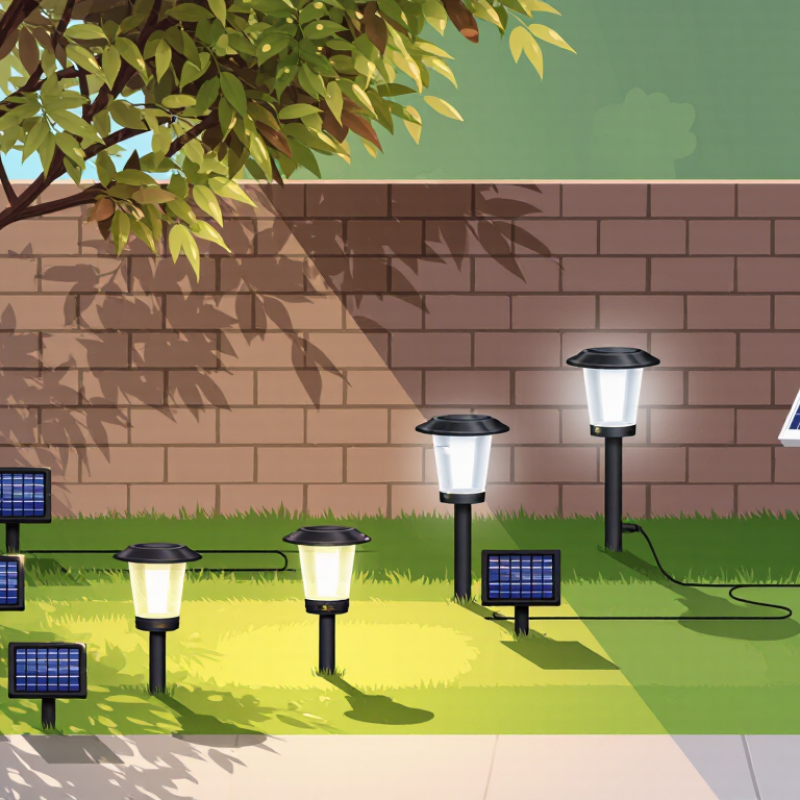
How to Charge Solar Lights in Shaded Areas in 2026?

How Solar Lights Convert Sunlight into Stored Energy

How to Charge Solar Lights in Shaded Areas in 2026?

A solar light does not store sunlight directly. Its photovoltaic panel converts incoming light into electrical current. That current passes through a charge controller, which regulates how energy reaches the rechargeable battery. After dusk, the battery powers the LEDs.

Shade reduces the light reaching the panel, so charging usually slows. Yet a bright, open sky can provide diffuse daylight, even when direct sun is blocked. It helps, but it is not equal to full sun. Check where shadows fall at midday, then angle or relocate the panel toward the brightest patch. Some lights have detachable panels; others do not. That detail matters.

Keep the panel clean. Dust, pollen, and damp leaves can further cut the light it receives. A quick comparison over several days can help: note daytime brightness and how long the light stays on after dusk. Short run times may indicate weak charging, but an aging battery or heavy overnight use can also be responsible. It is easy to blame shade too soon. In winter, shorter days and low sun angles make the problem worse. If the site stays deeply shaded, realistic expectations matter: the light may need more daylight, a larger panel, or less nightly operating time.

How Solar Lights Charge in Shaded Areas

This model estimates daily energy from a 5 W solar panel using four peak-sun hours and different assumed sunlight levels. Values are estimates before charging losses—not site measurements. Actual output varies with weather, shade, panel angle, and location.

Solar cells convert incoming light into electrical energy, which a solar light stores in its rechargeable battery. In shade, the panel receives less light and typically generates less energy; placing it in the brightest available spot can improve charging.

How to Assess Shade and Choose a Suitable Charging Location

Assess shade at the panel, not just at the lamp. Check the spot in the morning, around solar noon, and late afternoon; a fence shadow can move several feet. NREL’s PVWatts documentation uses 1,000 watts per square meter as the reference sunlight level for rated photovoltaic performance. A shaded garden rarely matches that benchmark, and even thin branches can cut the light reaching a small panel.

Small shifts matter.

Use a phone photo or a simple hourly shade log for two clear days, then repeat the check during the season when you use the lights most. NREL’s National Solar Radiation Database provides hourly and, for some datasets, 30-minute solar irradiance records; these can help compare local sunlight patterns with your observations. Choose a position with the longest unobstructed midday exposure, ideally facing the equator, and keep the panel clear of leaves and dust.

Check again.

A bright wall or pale paving may reflect some light, but it is not a dependable substitute for direct sun. I once trusted a noon check alone; the evening shadow proved me wrong. Test the exact spot before fixing the light in place.

How to Use a Separate Solar Panel in Shaded Areas

When a tree or porch keeps a solar light in shade, a separate panel can collect sunlight elsewhere. Use a light designed for a remote panel, or confirm that the panel’s voltage and connector match the light’s instructions. A panel that looks compatible may still deliver the wrong output.

Place the panel where it receives several hours of direct sun, such as an open fence or a south-facing wall in the Northern Hemisphere. Keep it clear of roof edges, leaves, and shadows that move during the day. Angle it toward the sun, then adjust it after checking the light’s charging performance. Test it at noon. That matters.

Run the cable neatly to the light, avoiding sharp bends and spots where doors, feet, or garden tools could catch it. Keep connectors dry and follow the manufacturer’s guidance on cable length and weather protection. Wipe dust from the panel with a soft, damp cloth. On cloudy days or in winter, charging may still be limited; a remote panel cannot create sunlight. In practice, placement takes a little trial and error, and I would check the light after several evenings before deciding the setup works well.

How to Improve Charging with Placement and Seasonal Adjustments

How to Charge Solar Lights in Shaded Areas in 2026?

How to Improve Charging with Placement and Seasonal Adjustments

Shade does not always make solar lights useless, but it can shorten their nightly run time. Watch where sunlight reaches your yard at different hours. A spot beside a fence may get a bright patch at noon, while an open corner receives softer light for longer. Try moving the light or its separate panel to the brightest practical location. Even a small change can help. Keep the panel clear of dust, fallen leaves, and bird droppings; a thin film can reduce the light it collects. I have found that checking the spot on an ordinary cloudy day gives a more realistic picture than judging it during one sunny afternoon.

Seasonal adjustments matter because the sun’s path and daylight hours change. In winter, low sun may slip beneath branches, while summer foliage can deepen shade. Recheck the panel every few weeks and angle it toward the strongest available daylight, following the product instructions. Avoid placing it behind tinted glass, which can block useful light. If the light still fades early after several bright days, the battery may be aging or the location may simply be too dim. Moving it may not solve everything.

Tips: Trim only safe, manageable obstructions, and never compromise a plant just for a brighter panel. Check after rain. Clear the surface gently, then note how long the light stays on that night. Small shifts matter.

How to Maintain Solar Lights and Check Charging Performance

Solar lights in shaded areas need careful placement and realistic expectations. Trim nothing without permission; instead, move the panel or fixture to the brightest safe spot nearby. Even a few hours of direct sun can help, while bright indirect light usually charges more slowly. If the panel is adjustable, angle it toward open sky rather than a wall or dense foliage. Small changes matter.

Keep the panel surface clear. Dust, pollen, and dried water spots can reduce the light reaching its cells. Wipe it gently with a soft, damp cloth, then check for cracks or loose connections. Check it weekly. A quick look after rain or windy weather can catch debris and shifting mounts before they become persistent problems.

To check charging performance, switch the light off during the day if its instructions recommend doing so, then observe it after dusk. Note the weather, shade, and approximate hours of sunlight. Compare several nights, not just one cloudy evening. If runtime keeps falling, inspect the panel, switch, and battery compartment; replace batteries only with the specified type. I used to blame every dim night on poor charging, but old batteries can look similar. That assumption is easy to make—and not always right.

How to Charge Solar Lights in Shaded Areas in 2026? - How to Maintain Solar Lights and Check Charging Performance

Practical ways to improve charging and monitor performance when sunlight is limited.
Condition or Check What It Means Recommended Action How to Check Performance
Shade for most of the day Nearby buildings, fences, or trees can block direct sunlight and reduce the energy reaching the panel. Bright open shade may still provide some charging, but usually less than an unshaded location. Move the light or its separate panel to the sunniest practical spot. Avoid placing the panel beneath dense foliage or an overhang. Compare the light’s operating time after similar daylight conditions in the shaded and sunnier positions.
Intermittent shade Shadows that move across a panel can limit the time it receives direct light. The effect depends on the panel, controller, and shade pattern. Observe the area at different times of day and adjust the panel position to reduce the hours it is shaded. Record approximate daily sun exposure and nighttime run time for several comparable days.
Cloudy or overcast weather Solar panels can generate power from diffuse daylight, but output is generally lower than in direct sun. Keep the panel unobstructed and clean. Allow for shorter run times during prolonged cloudy periods. Compare results across several days rather than judging charging from a single cloudy day.
Incorrect panel direction or angle The amount of light collected varies with location, season, and panel orientation. In the Northern Hemisphere, a generally south-facing, unobstructed panel often receives more sun; in the Southern Hemisphere, a generally north-facing position may help. Follow the product instructions where available. Try small position adjustments and compare charging results over similar weather conditions.
Dust, pollen, or water marks on the panel Surface buildup can reduce the light reaching the solar cells. Clean the panel gently with a soft, damp cloth. Avoid abrasive cleaners and follow the care instructions for the light. Check for visible residue and compare performance before and after cleaning under similar conditions.
Reduced nighttime run time Possible causes include insufficient daylight, a dirty or shaded panel, an aging rechargeable battery, or a setting or sensor issue. Check the switch, mode, panel condition, and surrounding shade. If the battery is serviceable, use only the battery type and specification recommended for that light. Test after a full day of the best available daylight, then note how long the light stays on in darkness. Repeat the test to confirm the pattern.
Fair charging comparison Weather, season, shade, and nighttime settings can all change the result, so one test may not show a reliable trend. Keep the light, mode, and test location consistent. Record the date, weather, approximate sunlight, and nighttime operating time. Compare measurements from several days with similar conditions instead of relying on a single reading.
Routine maintenance Regular inspection can reveal new shade, dirt, loose connections, or visible damage. Inspect the panel and light periodically, especially after storms or seasonal changes. Keep the panel exposed and follow the product’s cleaning and storage instructions. Maintain a simple log of cleaning, location changes, weather, and nighttime run time to spot gradual changes.

FAQS

How does a solar light store energy?

Its panel converts daylight into electrical current. A controller regulates charging, and a rechargeable battery powers the LEDs after dusk.

Can a solar light charge in shade?

Yes, but charging is usually slower. Bright open sky can provide diffuse daylight, though it does not match direct sun. Expectations matter.

Where should I place the panel in a partly shaded yard?

Check the panel’s sunlight in the morning, around midday, and late afternoon. A fence shadow can move several feet. Small shifts matter.

How can I track changing shade?

Take phone photos at different times for two clear days. Repeat during the season when you use the light most. Check again.

Does a clean panel make a difference?

Dust, pollen, and damp leaves can reduce incoming light. Wipe the panel gently and keep nearby branches from covering it.

Can a pale wall replace direct sunlight?

A bright wall or light-colored paving may reflect some daylight. It is not a reliable substitute for direct sun, though.

Why does my light turn off early?

Weak charging is one possibility, but an aging battery or heavy overnight use can also shorten run time. I might blame shade too quickly.

What can I do if the location stays deeply shaded?

Try a longer daylight window, a larger panel, or shorter nightly operating time. Winter’s shorter days and low sun angles can make charging harder.

Conclusion

Can solar lights charge effectively in shaded areas? They can, but their performance depends on how much indirect or filtered sunlight reaches the panel and how long it receives light each day. Solar panels convert sunlight into electricity, which is stored in the light’s battery for use after dark. Begin by observing shade throughout the day and choose the brightest safe location available, ideally with several hours of direct sunlight. If the light must stay in a shaded spot, a separate solar panel connected by a suitable cable can be positioned in a sunnier area while the lamp remains where it is needed.

Improve charging by adjusting the panel’s angle and direction as the sun’s path changes with the seasons, and keep it clear of dust, leaves, and other obstructions. Check that connections are secure, allow the battery enough time to charge, and compare how long the light operates after sunny and overcast days. Regular cleaning and monitoring can help reveal whether the placement, panel, or battery needs attention.

Sophia

Sophia

Sophia is a dedicated marketing professional with an exceptional depth of knowledge about her company's products and services. With a keen understanding of market trends and customer needs, she crafts insightful blog posts that not only inform but also engage readers, enriching the company’s online......