When it comes to waterproof ratings, understanding the differences is crucial. Many people wonder, "What is the difference between IP65 and IP67 waterproof ratings?" These ratings indicate how resistant a product is to water and dust. The IP code, or Ingress Protection code, provides clarity about a device's durability.
IP65 means a device is protected against dust and low-pressure water jets. It can handle some exposure to rain, but it is not meant for submersion. In contrast, IP67 offers more robust protection. Devices with this rating can withstand being submerged in water up to one meter for a limited time. This distinction is important for consumers and manufacturers alike.
Choosing between products with IP65 and IP67 ratings should depend on the intended use. If a product is used outdoors, or in wet environments, IP67 may be necessary. Evaluating how you expect to use a device can help you make informed choices. Test your options carefully, considering real-world scenarios. This understanding reminds us that not all ratings are equal and requires thoughtful consideration.
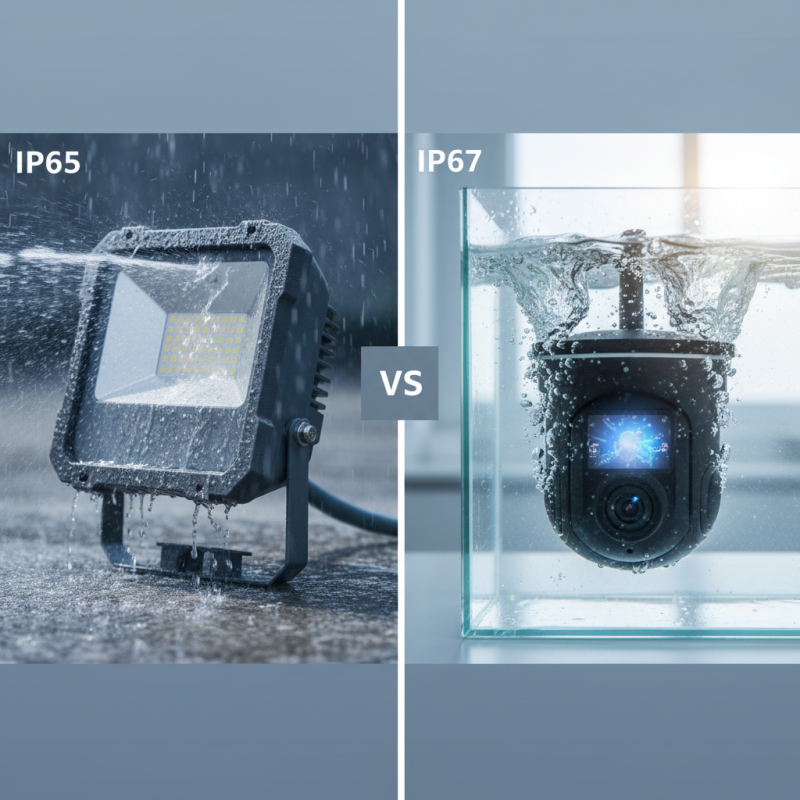
Understanding IP Ratings: An Overview of Ingress Protection Levels
Understanding IP Ratings: An Overview of Ingress Protection Levels
Ingress Protection (IP) ratings serve as critical indicators of a device's resistance to elements like dust and water. The two commonly referenced ratings, IP65 and IP67, reveal important distinctions. IP65 devices are protected against low-pressure water jets and dust ingress. In contrast, IP67 offers full protection against immersion in water up to 1 meter for 30 minutes. This deeper understanding is essential for industries like electronics, automotive, and telecommunications, where devices often face harsh environments.
According to a report by MarketsandMarkets, the demand for devices with higher IP ratings is growing steadily, reflecting a shift toward durable consumer electronics. An impressive 57% of companies surveyed reported increased investment in waterproof technologies to enhance product longevity. This adjustment aligns with consumer preferences for reliability and performance. However, misconceptions around IP ratings can lead to poor product choices, leaving customers disappointed.
Furthermore, while IP ratings provide useful benchmarks, they are not infallible thresholds. The ratings only certify specific test conditions, which may not encompass all real-world variables. An IP67-rated device, for instance, may still falter under varying temperature extremes or fluctuating pressure conditions. This gap underscores the need for thorough research and testing beyond mere label claims. Awareness of these nuances is vital for making informed decisions in an increasingly tech-driven world.
The Meaning of IP65 Rating: Features and Applications
The IP65 rating signifies a strong level of protection against dust and water. Devices with this rating are dust tight. They can withstand water jets from any direction without harmful effects. This makes IP65 ideal for outdoor equipment and various electronic devices.
In practical terms, an IP65-rated device is suitable for use in environments like construction sites or workshops. They are designed to handle light rain and splashes, ensuring functionality in everyday conditions. Many companies utilize IP65 ratings for gadgets that require durability but may not be submerged in water.
Tip: When choosing devices, consider your environment. If water exposure is likely, an IP67 or higher might be more suitable.
While IP65 offers good protection, it isn't foolproof. Should a significant amount of water be directed at the device, it might still face challenges. Users often overlook this when assessing their equipment needs. Always ensure to review your specific use case and environments carefully.
Exploring IP67 Rating: Benefits and Use Cases
The IP67 rating is a crucial classification for electronic devices. It signifies robust protection against dust and water. Specifically, IP67 devices can withstand immersion in water up to one meter for 30 minutes. This feature makes IP67 rated products ideal for use in harsh environments.
When looking at the benefits, devices with an IP67 rating excel in various applications. A study by MarketsandMarkets revealed that the global waterproofing market is expanding, projected to reach $37.7 billion by 2026. This growth indicates a rising demand for durable electronics in outdoor gear, industrial applications, and consumer gadgets. Users in construction or outdoor sports often favor IP67 devices for their reliability.
However, the distinction between IP65 and IP67 is significant. While both ratings offer dust protection, IP65 devices can resist water spray but not full immersion. This difference can lead to misunderstandings in product suitability. Users must assess their specific needs, especially when considering environmental factors. Unclear labeling and misconceptions about waterproof ratings can result in device failure. Clear communication regarding these standards is essential for consumer confidence.
Key Differences Between IP65 and IP67 Waterproof Standards
When comparing IP65 and IP67 waterproof ratings, the key differences lie in their resistance to water and dust. IP65 indicates that a device is protected from water spray and low-pressure jetting. It can withstand water ingress from any direction but cannot handle immersion. In contrast, IP67 signifies a higher level of protection, allowing for complete immersion in water up to 1 meter for 30 minutes.
Recent industry reports highlight that the choice between these ratings can affect operational efficiency. For products under severe conditions, IP67 is often preferred due to its robust protection. According to a survey by the International Electrotechnical Commission (IEC), devices with higher ratings are less prone to damage, leading to lower long-term maintenance costs. However, IP65-rated devices might suffice for situations with light water exposure.
Choosing the right rating is crucial. An IP65 device in a wet environment may lead to failure. Inadequate protection can result in costly repairs and lost productivity. Some users overlook this aspect, assuming all waterproof devices are equal. Understanding your specific needs is vital to making the best decision. Awareness of the ratings enables better risk management in various applications.
China Best IP65 vs IP67 Waterproof Ratings - Key Differences Between IP65 and IP67 Waterproof Standards
| Feature |
IP65 Rating |
IP67 Rating |
| Dust Protection |
Dust tight (no dust ingress) |
Dust tight (no dust ingress) |
| Water Resistance |
Water projected by a nozzle (from any direction) shall have no harmful effects |
Water immersion up to 1 meter (about 3.3 feet) for 30 minutes |
| Protection Against Water |
Limited protection |
High-level protection |
| Typical Usage |
Outdoor electronics, lighting fixtures |
Underwater devices, industrial applications |
| Cost |
Generally lower |
Generally higher due to stricter standards |
Choosing the Right Waterproof Rating for Your Needs
When choosing between IP65 and IP67 waterproof ratings, understanding their differences can be critical for your applications. An IP65 rating indicates that a device is protected against dust ingress and low-pressure water jets from any direction. Devices with this rating can handle occasional exposure to water but are not designed for immersion. In contrast, IP67 offers complete dust protection and immersion in water up to one meter for 30 minutes. This distinction is vital for equipment used in more demanding environments.
For outdoor applications, selecting the right rating matters. Devices in construction sites may fare well with IP65 ratings, while underwater cameras or equipment should opt for IP67. Research from the International Electrotechnical Commission (IEC) shows that incorrect usage can lead to damaged equipment, resulting in losses exceeding 20% in some sectors.
**Tips:** Always assess your operating environment. If water exposure is unpredictable, going for an IP67 rating can provide peace of mind. Also, consider the potential for dust. Even a small amount can harm sensitive equipment. Regular inspection and maintenance are necessary to ensure longevity and effectiveness. Make sure to verify the manufacturer's claims and consult industry standards when in doubt. This approach will protect your investment and ensure reliable performance.
China Best IP65 vs IP67 Waterproof Ratings
Conclusion
The article "China Best IP65 vs IP67 Waterproof Ratings What is the Difference?" provides a comprehensive examination of ingress protection ratings, focusing on the practical implications of IP65 and IP67 standards. Understanding these ratings is crucial for selecting suitable devices for various environments. The IP65 rating indicates a strong resistance to dust and water jets, making it suitable for everyday electronic devices. In contrast, the IP67 rating offers complete dust protection and can withstand temporary immersion in water, ideal for more demanding conditions.
The key differences between IP65 and IP67 waterproof standards lie in their resistance capabilities, particularly concerning water exposure. When considering "What is the difference between IP65 and IP67 waterproof ratings?" it is essential to assess the specific needs for environmental resilience. This analysis aids consumers in making informed decisions based on their unique requirements, ensuring the devices operate optimally in their intended settings.

 Boray Light