Choosing street lighting involves critical decisions. One such decision is selecting between 3000K and 6000K color temperatures. These temperatures define the light's appearance and effectiveness. Both options offer unique benefits and challenges.
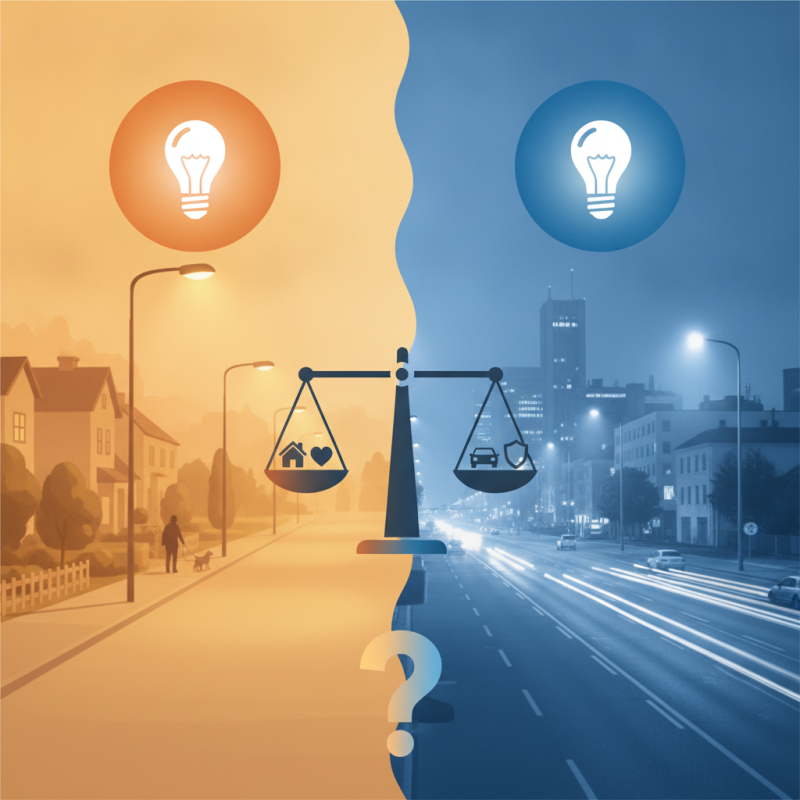
Many municipalities face the question: How to choose between 3000K and 6000K for street lighting? The warmer 3000K lights create a cozy ambiance, resembling traditional street lamps. They enhance visibility and comfort in residential areas. However, they can appear dimmer in urban settings.
On the other hand, 6000K lights emit a daylight-like brightness. They enhance visibility and safety in high-traffic areas. Yet, they can feel harsh or unwelcoming in some environments. Evaluating the needs of a specific area is essential. A blend of aesthetics and functionality is crucial. Communities must consider their priorities. Balancing these aspects often leads to a thought-provoking debate about the best choice in street lighting.
Understanding Color Temperature: What Do 3000K and 6000K Mean?
Color temperature is a crucial factor in street lighting. It is measured in Kelvin (K), indicating the hue of the light emitted. Two common color temperatures are 3000K and 6000K. Understanding these can significantly impact urban environments.
3000K light emits a warm, yellowish glow. This type of lighting creates a cozy and inviting atmosphere. It helps reduce light pollution, as it is less harsh on the eyes. Many people prefer this ambiance in residential areas. However, it may not provide enough visibility in some situations. Shadows can be more pronounced, leading to potential safety concerns.
In contrast, 6000K light offers a bright, white illumination. This cooler light improves visibility and can enhance clarity for nighttime activities. It mimics daylight, aiding in natural color perception. Yet, this intensity can be overwhelming, particularly in quiet neighborhoods. The starkness of 6000K can create an unwelcoming feel. Urban planners face a dilemma: how to balance aesthetics with functionality in street lighting choices.
Comparing the Aesthetic Appeal of 3000K and 6000K Street Lighting
When comparing 3000K and 6000K street lighting, aesthetic appeal plays a vital role. Urban environments benefit from the warmth of 3000K light, which creates a welcoming atmosphere. This temperature enhances visual comfort and promotes safety at night. According to the U.S. Department of Energy, warmer lighting can reduce perception of harshness in public spaces. It invites people to linger and enhances the charm of neighborhoods.
On the other hand, 6000K lighting offers a cooler, more modern appearance. This daylight-like color temperature can improve visibility and clarity. Studies indicate that 6000K light can enhance color rendering, making it easier to identify objects and people. However, its starkness may contribute to feelings of chill or discomfort in certain settings.
The choice between these two options impacts urban landscapes. While warmer lighting encourages social interactions, cooler lighting can elevate functionality. Local authorities must weigh both aesthetic and practical factors when selecting street lighting solutions. It's clear that neither type is free from drawbacks, reinforcing the need for thoughtful, community-focused decision-making.
Energy Efficiency: How Do 3000K and 6000K Compare?
When discussing energy efficiency in street lighting, the comparison between 3000K and 6000K options is often debated. The Correlated Color Temperature (CCT) impacts not only energy consumption but also perception and safety on the streets. According to a report by the U.S. Department of Energy, 3000K LEDs consume about 15% less energy than their 6000K counterparts. This difference might seem minimal, yet it can add up on a municipal scale.
Furthermore, 3000K lighting creates a warmer ambiance, which studies show can increase visibility for pedestrians. A report from the IES (Illuminating Engineering Society) highlights that warmer light improves colors and reduces glare. Glare can lead to safety issues, especially for older adults. On the flip side, 6000K lighting, which casts a cooler, bluish hue, may seem brighter at first glance. However, prolonged exposure can cause discomfort, leading to potential visibility problems.
Cities often face challenges when selecting street lighting that balances efficiency with public safety. The initial thought may favor the brighter 6000K lights, yet their long-term effects on community well-being and energy consumption cannot be ignored. In the end, choosing between these two temperatures requires a careful analysis of specific urban needs and conditions.
Impact on Safety: Which Color Temperature Enhances Visibility?
When it comes to street lighting, the choice between
3000K and
6000K
color temperatures can greatly impact safety. The
3000K light
emits a warm, yellowish hue. This color temperature can create a cozy atmosphere.
However, it may not provide the clarity needed for high-traffic areas. In contrast,
6000K light offers a cooler,
bluish-white tone. This brightness can enhance visibility, particularly during nighttime.
Many studies suggest that brighter light improves reaction times.
Visibility is crucial for pedestrians and drivers alike. Under
6000K lighting,
road signs become clearer. Shadows are less pronounced, and colors appear more vivid.
This increased clarity can reduce accidents. However, some might find
6000K light too harsh.
It can create a sterile environment, potentially leading to discomfort.
Thus, while brighter options are available, they may not always be suitable.
A balance is vital. Communities should assess their specific needs.
Different environments may require different solutions. Policymakers
must consider the feedback from residents about their preferences.
Ultimately, the best lighting choice may vary based on location and usage.
Investing in the right technology is worth the discussion.
Cost Considerations: Analyzing Long-Term Value of 3000K vs 6000K Lighting
When selecting street lighting, the choice between 3000K and 6000K is significant. Both options have distinct impacts on energy consumption and maintenance costs.
3000K lights emit a warm glow, providing a more inviting atmosphere. They are often praised for reducing light pollution. In contrast,
6000K lighting emits a cooler, bluish light. This can enhance visibility and clarity at night.
From a cost perspective, 3000K lights typically have a higher upfront cost but can lead to substantial savings over time. They tend to consume less energy and have longer lifespans. This choice often results in lower maintenance expenses. On the other hand, while 6000K lights may be cheaper to install, they can lead to higher energy bills. Their harsher light may also contribute to more frequent replacements.
Experts suggest analyzing long-term value thoroughly. The initial investment versus ongoing costs should be carefully weighed. Local climate and street conditions may also influence this decision. Additionally, community feedback can provide important insights. Balancing aesthetics with practicality is crucial. Some towns favor one temperature over the other without fully considering all implications.
FAQS
: The main difference is color temperature. 3000K emits a warm hue, while 6000K offers a cooler tone.
3000K LEDs consume about 15% less energy than 6000K LEDs, which adds up on a larger scale.
3000K lighting improves visibility due to its warm ambiance, but may lack clarity in busy areas.
6000K can be harsh and lead to discomfort. Prolonged exposure may also create visibility issues over time.
Brighter 6000K light improves reaction times and clarity of road signs, reducing the likelihood of accidents.
Yes, community feedback is essential to understanding preferences and needs for safe and efficient lighting.
Absolutely, both have advantages and drawbacks that vary based on specific urban environments and needs.
Finding balance addresses safety and comfort, ensuring adequacy for different settings without overwhelming discomfort.
No, the choice is often complex and requires careful analysis of urban conditions and community needs.
Yes, while they seem brighter, their long-term effects on comfort and safety must be carefully evaluated.
Conclusion
When considering how to choose between 3000K and 6000K for street lighting, understanding color temperature is essential. The 3000K lighting offers a warmer, more inviting ambiance, while the 6000K lighting provides a cooler, bluish hue that enhances visibility. Aesthetic preferences may vary, but these aspects play a significant role in determining the overall appeal of the street environment.
Energy efficiency is another critical factor, as both options can perform differently in terms of electricity consumption and lifespan. Additionally, safety impacts, such as how each color temperature affects visibility at night, must be evaluated. Finally, cost considerations and the long-term value of each lighting option should be analyzed to make an informed decision. Ultimately, assessing these aspects will guide you in selecting the most suitable street lighting for your needs.

 Boray Light