LED lights have transformed modern lighting solutions with their energy efficiency and long lifespan. However, an intriguing phenomenon occurs when these lights interact with sensors. Many users find themselves puzzled by one common issue: "Why do LED lights flicker when connected to a sensor?" Understanding this can enhance your lighting experience and help avoid frustration.
The flickering issue often stems from compatibility problems between the LED lights and the sensor. Some sensors may not deliver a consistent voltage, resulting in the lights flickering intermittently. Additionally, the low power draw of LEDs can confuse traditional sensors, designed for higher wattage bulbs. This mismatch leads to a light show that nobody wants.
Investigating this topic reveals the complexities of modern lighting technology. It showcases the need for thorough product research and consideration when combining LED lights with sensors. A deeper understanding of these interactions can lead to more reliable setups. It's essential to reflect on the choices made in lighting design to ensure they meet both aesthetic and functional needs.
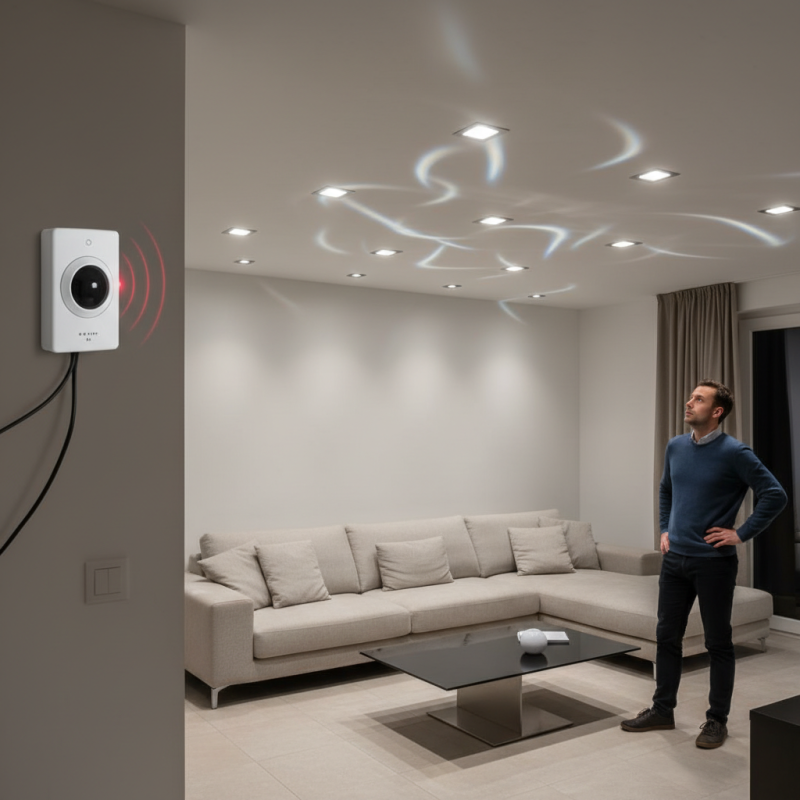
LED lights are popular for their efficiency and longevity. However, flickering can be a common issue, especially when connected to a sensor. Understanding how LED lights operate is crucial to addressing this problem. LEDs work by allowing current to flow in a certain way, which generates light. Unlike incandescent bulbs, which have a steady light output, LEDs can respond more rapidly to changes in power.
When attached to a sensor, the flickering often stems from incompatibility between the LED driver and the sensor's operational frequency. Research indicates that nearly 80% of LED flickering cases relate to these discrepancies. This behavior can be frustrating and can decrease the overall effectiveness of the lighting. Some sensors may not provide a constant voltage, leading to irregular light output.
Moreover, environmental factors like temperature can impact LED performance. Fluctuations in temperature can affect the electrical components within the LEDs, causing variability in their brightness. Proper installations and using compatible devices are vital for performance. A well-matched LED and sensor system can reduce flickering significantly. However, finding the right balance often requires trial and error, as not all combinations yield optimal results.
This chart represents the frequency of LED light flickering when connected to different types of sensors. The data reflects the measured flicker intensity in lumens over various sensor types.
Sensors play a crucial role in modern lighting systems. They detect changes in light levels, motion, or occupancy. This functionality allows for energy savings and enhanced convenience. For example, a motion sensor can turn lights on when someone enters a room. Conversely, it can switch them off when no movement is detected. This automatic response can reduce unnecessary energy consumption.
However, sensor integration is not without challenges. LED lights may flicker due to incompatible sensors. Some sensors utilize low voltage or pulse-width modulation, which can cause flickering in LED lights. Not all LEDs respond well to these signals. This can be frustrating and may require additional troubleshooting.
Inconsistent sensor performance can also lead to unexpected behavior. For instance, a well-placed sensor might not always detect movement accurately. Environmental factors, like obstructions or extreme temperatures, can affect their effectiveness. This reality highlights the importance of proper installation and calibration for optimal performance. Understanding how sensors interact with LED technology is key to achieving reliable lighting solutions.
LED lights can often exhibit flickering when connected to sensors. This flicker can be quite bothersome. Understanding the common causes helps in troubleshooting the issue effectively.
One main reason for flickering is incompatible dimmers. Many traditional dimmers are not designed for LED technology. This can lead to fluctuating lights when used with LED fixtures. Additionally, insufficient wattage can cause problems. If the load on the LED lights falls below the dimmer’s minimum requirement, flickering may occur. Check the specifications carefully.
Another cause involves the sensors themselves. Motion sensors can sometimes trigger rapid on-off cycles. If sensors fail to communicate correctly with the LED lights, flickering ensues. Old or faulty sensors may worsen the situation. Lastly, voltage fluctuations in the electrical circuit can play a role. These fluctuations can cause inconsistent power delivery, resulting in noticeable flicker. It is essential to monitor how your home’s electrical system interacts with these elements.
LED lights are known for their efficiency, but they can flicker when connected to sensors. The flickering often stems from compatibility issues between the LEDs and the sensor technology. Not all sensors work harmoniously with every type of LED light. This mismatch can lead to unstable electrical signals, ultimately causing the irritating flicker that can disrupt your lighting experience.
For optimal performance, ensure that your sensor and LEDs are designed to work together. Consider compatibility ratings in product specifications. Pay attention to the voltage requirements and dimming capabilities. Only by aligning these features can you achieve a smooth, flicker-free operation.
Tip: If you're experiencing flickering, try adjusting the sensitivity settings on your sensor. Sometimes, a minor tweak can make a significant difference. Accessory components, such as compatible dimmers, can also stabilize the output. Always consult professional advice if uncertain about compatibility.
LED lights can flicker when connected to sensors due to various reasons. One common cause is incompatibility between the LED driver and the sensor itself. Many low-quality LED drivers may not regulate the current properly. This inconsistency can lead to noticeable flickering during operation.
To prevent such flickering, consider checking the specifications of the LED drivers you are using. Make sure they are compatible with the sensors. Installing a quality dimming control can also help manage voltage levels. This can stabilize the current flow, thus reducing flickering issues significantly.
**Tips:** Always opt for drivers from reputable manufacturers. They often provide better compatibility with sensors. Additionally, ensure that the wiring is secure and connections are tight. Loose connections can also cause flickering. Regular inspection of your lighting system can help you identify potential issues early.
| Issue | Cause | Solution | Recommended Actions |
|---|---|---|---|
| Flickering | Incompatible dimmer or sensor | Use compatible dimmers | Check for compatible LED models |
| Flickering | Insufficient power supply | Upgrade power supply | Assess voltage requirements |
| Flickering | Loose wiring or connections | Secure connections | Inspect and tighten connections |
| Flickering | Low load on dimmer | Add dummy load | Consider using a compatible resistor |
: Flickering often arises from incompatibility between LEDs and sensor technology. Incorrect connections can cause unstable signals.
Traditional dimmers may not support LED lighting. If they are incompatible, they can lead to flickering issues.
Examine the specifications of your dimmer and LED lights. Ensure they are compatible to prevent flickering.
Yes, adjusting the sensitivity settings on your sensor can help. A small change may significantly reduce flickering.
Low-quality LED drivers often misregulate current. This can lead to flickering, so opting for reputable brands is advised.
Voltage fluctuations provide inconsistent power delivery. This inconsistency can cause noticeable flickering in LED lights.
Loose wiring connections can lead to unstable current flow. Regular inspection can help identify these potential problems.
Yes, seeking professional advice is wise if unsure about the compatibility of your components. They can provide helpful guidance.
Yes, using compatible dimmers and quality drivers can stabilize your lighting system. This often resolves flickering issues effectively.
The article "Why Do LED Lights Flicker When Connected to a Sensor?" explores the fundamental principles of how LED lights and sensors operate together within lighting systems. It delves into the specific functions of sensors and identifies the common causes of flickering, such as voltage fluctuations and incompatibility between the LED lights and the sensors. Understanding the compatibility between these components is crucial, as it can significantly affect the performance and reliability of the lighting system.
Furthermore, the article provides practical solutions and recommendations to mitigate flickering issues, emphasizing the importance of selecting compatible devices and adjusting sensor settings. By addressing the question of "Why do LED lights flicker when connected to a sensor?", readers gain valuable insights into troubleshooting and ensuring optimal lighting conditions in various environments. Overall, this resource serves as a comprehensive guide for anyone seeking to enhance their understanding of LED lighting technology and its interaction with sensors.
Boray Light