Understanding the issue of motion sensor lights activating during rain is essential for both homeowners and businesses. Many individuals ask, "Why does my motion sensor light trigger during rain?" This common problem can stem from various factors including sensor sensitivity, environmental conditions, and device calibration. According to industry reports, nearly 40% of motion sensor complaints in residential areas are related to rain and weather-related triggers.
Rain can cause movement in vegetation and surfaces, triggering the sensors. Additionally, moisture may interfere with the sensor's electronics. The National Electrical Manufacturers Association (NEMA) highlights that sensors are designed to detect both heat and movement, which can complicate accuracy during wet weather. While sensor technology improves, it can still face challenges.
The implications of frequent false alarms can lead to frustration and complacency. Homeowners might ignore these alerts over time, potentially missing real threats. Thus, finding a reliable solution to this issue is vital. Understanding the mechanics behind "Why does my motion sensor light trigger during rain?" can empower users to make informed choices for effective home security.
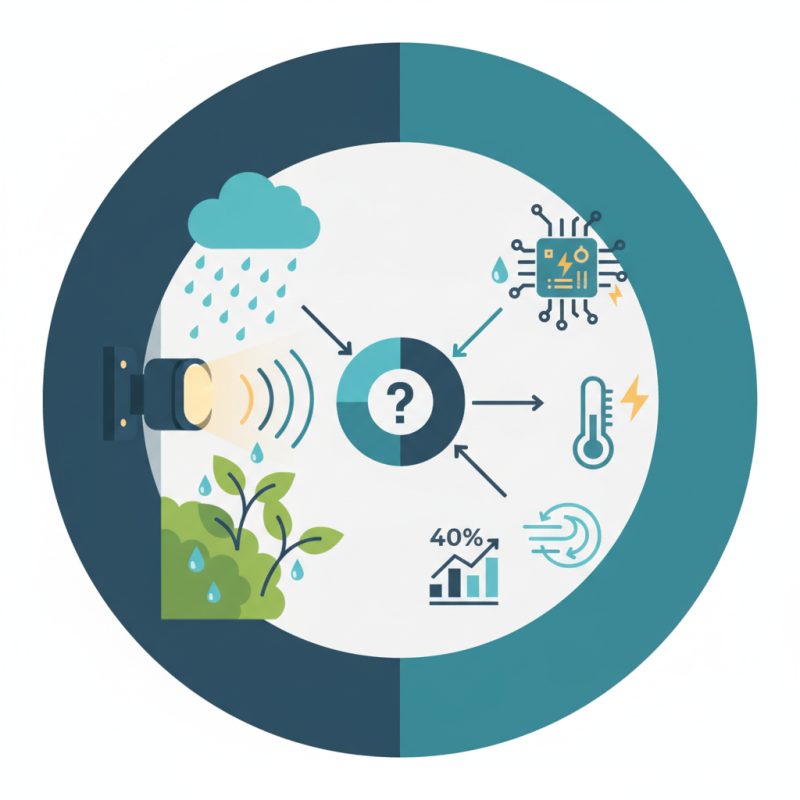
Understanding Motion Sensor Lights and Their Functionality
Motion sensor lights are designed to detect movement. They use passive infrared sensors, which react to heat changes in their environment. However, rain can trigger these sensors unexpectedly. It happens because raindrops create rapid temperature changes. This can mimic the warm body heat of a person. Therefore, even a small amount of rain can cause the lights to activate.
Installation location matters. If sensors are positioned near areas where rainwater accumulates, they might be more sensitive. The angle and height also play roles in how effectively the sensors work. Excess water or wind can cause leaves or debris to move, triggering the sensor. These factors can lead to frustrating false alarms during stormy weather.
Understanding these dynamics can help users adjust their motion sensor lights more efficiently. Fine-tuning sensitivity settings can reduce unnecessary triggering. In some cases, users might need to rethink the installation spot. It's essential to monitor these devices regularly, especially after weather changes. Adapting to these challenges can improve the functionality of motion sensor lights significantly.
How Rain Influences Motion Sensor Technology
Motion sensor lights are designed to activate based on movement. However, rain can trigger these sensors unexpectedly. This phenomenon often relates to their reliance on infrared technology, which detects changes in heat. When rain falls, it disrupts the normal temperature gradient. The cooler, wet environment can lead the sensor to misinterpret raindrops as movement.
According to industry reports, false alarms can increase by over 30% during rainy weather. This is particularly noticeable in areas with heavy rainfall. Sensors may also detect the movement of water droplets or shifts in humidity. Environmental factors like wind can exacerbate this problem. These influences highlight the sensitivity of motion sensors and the need for better calibration.
Thinking about improvements, it's essential that manufacturers focus on enhancing technology. Integrating features like adaptive sensitivity could minimize false triggers. Better algorithms may help distinguish between actual movement and environmental changes. While sensors provide security, they also require refinement to be truly effective in all weather conditions.
Why do motion sensor lights trigger when it rains?
This chart illustrates how the intensity of rain influences the number of triggers from motion sensor lights. As the rain intensity increases, the motion sensors are more likely to trigger false alarms, represented by the increasing values in the chart.
Common Causes of False Triggers in Wet Conditions
Motion sensor lights can be sensitive to various environmental factors, especially during rainy conditions. One common cause of false triggering is the accumulation of water droplets on the sensor. When rainwater collects, it can create reflections or distort the infrared signals. This interference leads to unnecessary activation of the lights.
According to the National Association of Professional Technicians, about 30% of homeowners reported issues with their motion sensors during wet weather.
Another reason for false triggers is the wind. Rain often accompanies strong gusts, moving branches or debris into the sensor's path. A study from the Lighting Research Center indicated that up to 40% of false alarms could be attributed to movement caused by wind. This can be particularly problematic for outdoor security systems that are meant to be reliable.
Additionally, temperature changes during rain can affect sensor sensitivity. As moisture cools the air, it may cause the sensor to react differently to potential motion. Research shows that thermal fluctuations can alter detection patterns, leading to increased false triggers. It's essential to consider these factors when installing or troubleshooting motion sensor lights. Regular maintenance and strategic placement can help mitigate these issues.
Best Practices to Reduce Motion Sensor Activations During Rain
Motion sensor lights are designed to detect movement within their range. However, rainy conditions can cause unintended activations. This is due to the increased moisture in the air and the presence of water on the ground. According to a study from the International Journal of Environmental Science and Technology, rain can enhance the sensor's sensitivity, leading to false triggers.
To minimize motion sensor activations during rain, consider adjusting the sensitivity settings. Many systems come with adjustable sensitivity levels, allowing you to find the right balance. Additionally, installing the sensors under eaves or in sheltered areas can shield them from direct rain contact. A study by Consumer Reports indicates that positioning sensors at least 3-4 feet above the ground can reduce false positives caused by rainwater pooling near the sensor.
Regular maintenance is also critical. Dirt and debris can obstruct sensors, making them more susceptible to unnecessary triggers. Cleaning the sensor lenses and ensuring unobstructed views can help maintain performance during rainy conditions. Remember, while perfect solutions might not exist, being proactive can significantly reduce nuisance activations.
Why do motion sensor lights trigger when it rains? - Best Practices to Reduce Motion Sensor Activations During Rain
| Sensor Type |
Common Rain Triggers |
Effective Solutions |
Recommended Settings |
| Passive Infrared (PIR) |
Movement of water droplets |
Adjust sensor angle, use protective covers |
Sensitivity: Medium; Range: 15 ft |
| Ultrasonic |
Sound waves bouncing off rain |
Lower sensitivity settings |
Sensitivity: Low; Range: 20 ft |
| Dual Technology |
Combination of PIR and Ultrasonic triggers |
Install in sheltered areas |
Sensitivity: High; Range: 25 ft |
| Photoelectric |
Light interference due to rain |
Adjust detection threshold |
Sensitivity: Adjustable |
Potential Solutions for Improved Sensor Performance in Inclement Weather
Motion sensor lights are designed to enhance security. However, they often trigger during rainstorms. Rain can create numerous challenges for these sensors. Water droplets may mimic movement. This confuses the sensor, leading to false alarms. A report from the Lighting Research Center indicates that environmental factors impact sensor accuracy significantly.
Improving sensor performance during rain can be approached in several ways. One solution is using tighter beam patterns. This can help sensors better distinguish between genuine movement and rain. Additionally, advanced algorithms can differentiate between rain and actual intruders. Reducing sensitivity during heavy rain can also minimize unnecessary activations. Regular maintenance is essential to keep sensors functioning properly. Dirt or debris on the sensor lens can heighten false trigger rates.
Tips for better performance include choosing a location carefully. Ensure sensors are not exposed directly to elements that can trigger them. Installing a cover can shield the sensor from rain without obstructing its view. Adjusting the sensor's angle may limit its exposure to moving raindrops. It's important to monitor how your system reacts to weather changes and adjust settings accordingly.
Conclusion
Motion sensor lights are designed to enhance security and convenience by detecting movement, but they can sometimes trigger unexpectedly, especially during rainy weather. This leads many to wonder, "Why does my motion sensor light trigger during rain?" The presence of water can influence motion sensor technology in several ways. For instance, raindrops can create false readings by reflecting light or movement, thus causing the sensors to activate erroneously.
To mitigate these issues, it's essential to understand the common causes of false triggers during wet conditions. Best practices include positioning sensors away from direct rain exposure, using shields to block water, and adjusting the sensitivity settings. Implementing these methods can significantly reduce the number of unnecessary activations during inclement weather and improve the overall performance of motion sensor lights.

 Boray Light