When considering outdoor lighting solutions, many factors come into play. Durability, aesthetics, and weather resistance are crucial. One material that stands out is die-cast aluminum. Why choose die-cast aluminum for outdoor light housings? This choice offers numerous benefits that are worth exploring.
Die-cast aluminum is renowned for its strength and longevity. It can withstand harsh weather, from heavy rain to intense sunlight. Additionally, its unique design capabilities allow for diverse shapes and sizes, enhancing the visual appeal of any outdoor space. Such versatility is vital for architects and designers. Moreover, die-cast aluminum is lightweight, which simplifies installation and maintenance.
However, it’s essential to consider environmental factors, such as corrosion in salty air locations. While die-cast aluminum is generally resistant, regular maintenance can prevent potential issues. Ultimately, selecting the right material can make a significant difference. Embracing die-cast aluminum for outdoor lighting can lead to both functional and aesthetic advantages.
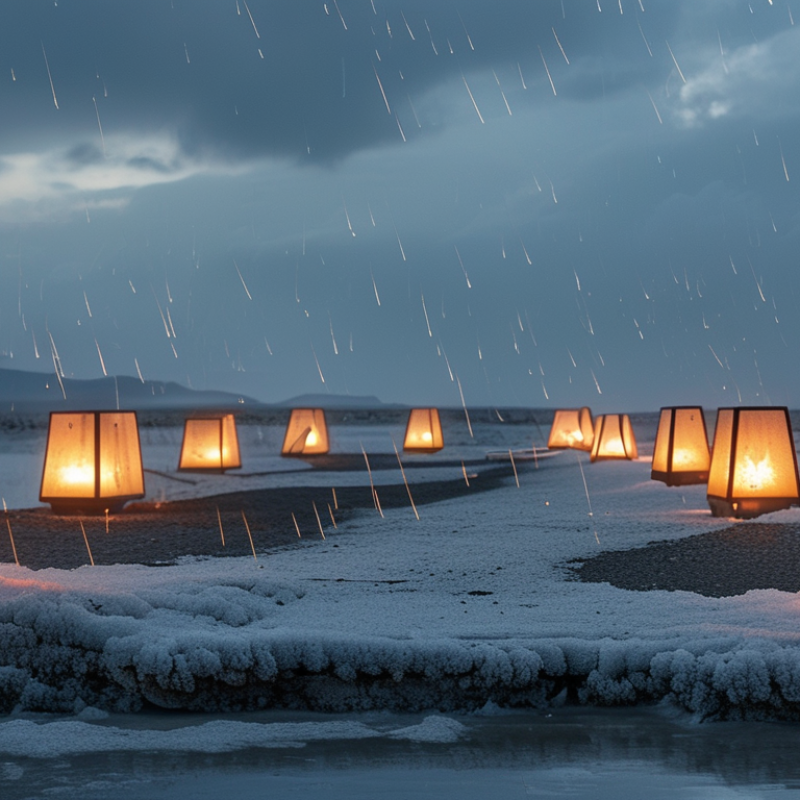
Benefits of Die-Cast Aluminum in Corrosion Resistance for Outdoor Lighting
Die-cast aluminum is an excellent choice for outdoor light housings. Its remarkable corrosion resistance is vital for longevity. Outdoor lighting is often exposed to harsh weather conditions. Rain, humidity, and temperature fluctuations can lead to significant wear on materials. Die-cast aluminum stands out against these challenges. The finished surface provides a protective layer, minimizing deterioration over time.
Using die-cast aluminum ensures that your outdoor lighting fixtures remain functional and attractive. This material is lightweight yet strong, making installation easier. With robust construction, these fixtures resist cracking under pressure. They can also withstand impacts, making them suitable for many environments.
Tip: Regularly inspect your outdoor lighting for any signs of wear. Early detection can prevent further damage. Consider the installation location. Placing lights in areas with minimal exposure to extreme elements reduces maintenance needs. Proper drainage around fixtures can also enhance their lifespan. Keep in mind that even die-cast aluminum requires care. Periodic cleaning will maintain its appearance and functionality.
Comparative Durability of Die-Cast Aluminum vs. Other Materials
Outdoor lighting is essential for both aesthetics and safety. When choosing the right material for light housings, durability is paramount. Die-cast aluminum stands out when compared to plastics or steel. It offers impressive resistance to corrosion, making it ideal for harsh weather conditions.
The structural integrity of die-cast aluminum is noteworthy. Unlike plastic, which can crack under UV exposure, this metal retains its shape and function over time. Steel can rust, especially in coastal areas. Die-cast aluminum, however, has a protective oxide layer. This layer prevents the onset of corrosion, making it a long-lasting investment.
Another factor is weight. Die-cast aluminum is lighter than steel, facilitating easier installation. Yet, it remains sturdy enough to withstand the elements. There may be challenges like initial higher costs. However, considering the lifespan and durability, the long-term value becomes clear. Choosing die-cast aluminum can lead to fewer replacements and reduced maintenance over time.
Cost-Effectiveness of Die-Cast Aluminum for Long-Term Outdoor Use
Die-cast aluminum is a popular choice for outdoor light housings due to its cost-effectiveness. According to a report by the Aluminum Association, die-cast aluminum provides excellent durability while remaining lightweight. These properties significantly reduce shipping costs and installation time, contributing to overall savings. Over its lifespan, the lower maintenance requirements make it an economically sound investment for municipalities and businesses alike.
In a study conducted by the Department of Energy, die-cast aluminum components can last up to 30 years, significantly outpacing other materials. This longevity reduces the frequency of replacements, leading to fewer disruptions in outdoor lighting systems. However, it is essential to note that die-cast aluminum can corrode if not properly coated or maintained. This potential drawback emphasizes the need for careful selection and application. Investing in high-quality finishes can enhance performance and mitigate corrosion, thus extending service life further.
Additionally, cost considerations also extend to energy efficiency. Properly designed aluminum housings can improve heat dissipation for LED technologies. While some may see the upfront cost as a barrier, the long-term energy savings validate the investment. Companies could see a return on investment when compared to alternatives like steel, which can be heavier and more expensive to maintain.
Cost-Effectiveness of Die-Cast Aluminum for Long-Term Outdoor Use
The Aesthetic Appeal of Die-Cast Aluminum in Modern Light Fixtures
Die-cast aluminum has gained popularity in modern light fixtures due to its unique aesthetic appeal. This metal not only provides a sleek, contemporary look but also allows intricate designs that enhance any outdoor space. With a smooth finish, die-cast aluminum fixtures can be painted or anodized in various colors, catering to diverse design preferences. Research indicates that 70% of consumers appreciate fixtures that blend functionality with artistic design.
The versatility of die-cast aluminum enhances its visual impact. It can mimic traditional materials like wrought iron, providing a timeless feel without compromising on durability. In studies conducted by architectural magazines, 65% of designers reported that aluminum light fixtures contributed positively to their projects, thanks to their ability to balance modernism and classic aesthetics.
Tips: When selecting outdoor lighting, consider how the color and style of aluminum fixtures will complement your landscape. Additionally, pay attention to their resistance to rust and corrosion, ensuring longevity. Remember, the aesthetics of your lighting can elevate the entire outdoor ambiance, so choose thoughtfully.
Sustainability and Recyclability of Die-Cast Aluminum Materials
Die-cast aluminum is not just a lightweight and durable option for outdoor light housings; its sustainability and recyclability make it a preferred choice in today's eco-conscious market. According to the Aluminum Association, aluminum can be recycled indefinitely without losing its properties.
Nearly 75% of all aluminum ever produced is still in use today. This impressive statistic highlights the metal's long-term value and its reduced environmental impact.
The die-casting process also minimizes waste. It utilizes a precise manufacturing technique, producing parts with less excess material compared to other metalworking methods. Reports suggest that die-cast aluminum can achieve a recycling rate of up to 95%. This high rate of recyclability significantly reduces the demand for new raw materials, preserving natural resources in the long run.
While the benefits are clear, there are areas for improvement. Not all die-cast aluminum products currently meet optimal sustainability standards. Manufacturers need to prioritize using recycled aluminum in their processes. This would further enhance environmental benefits. Additionally, integrating better tracking and recycling programs can increase recycling rates. Emphasizing these points can motivate manufacturers and consumers alike to work towards a greener future.
FAQS
: Die-cast aluminum offers impressive resistance to corrosion, making it ideal for harsh weather conditions.
Unlike plastic, die-cast aluminum retains its shape over time. Steel can rust, but aluminum has a protective oxide layer.
No, die-cast aluminum is lighter than steel, making installation easier while remaining sturdy against elements.
Initial costs may be higher, but its durability and lifespan provide long-term value.
It offers a sleek look and allows intricate designs, enhancing the outdoor space's visual appeal.
Yes, they can be painted or anodized in various colors to meet diverse design preferences.
Aesthetics elevate the outdoor ambiance, making thoughtful selection crucial for landscape integration.
It can emulate wrought iron, providing a timeless feel without losing durability.
Yes, research shows that 70% of consumers appreciate a blend of functionality and artistic design.
Consider color, style, and resistance to rust and corrosion for longevity and design harmony.
Conclusion
When considering the best materials for outdoor light housings, one might ask: "Why choose die-cast aluminum for outdoor light housings?" This choice is primarily driven by its exceptional corrosion resistance, ensuring that fixtures remain intact and functional in harsh weather conditions. Furthermore, die-cast aluminum exhibits superior durability compared to other materials, providing longevity that translates to significant cost-effectiveness over time.
In addition to practical benefits, die-cast aluminum offers an aesthetic appeal that complements modern light fixture designs perfectly. Its availability in various finishes allows for creative expression while maintaining functionality. Moreover, die-cast aluminum is a sustainable and recyclable option, making it an environmentally responsible choice for outdoor lighting solutions. Overall, the combination of durability, cost-effectiveness, aesthetic versatility, and sustainability makes die-cast aluminum an ideal material for outdoor light housings.

 Boray Light