Proper lighting is crucial for any standard parking lot. It ensures safety and enhances visibility for drivers and pedestrians alike. When considering how many lumens do I need for a standard parking lot, we must examine various factors that influence this requirement. The size of the lot, its layout, and the surrounding environment all play significant roles.
Typically, parking lots require between 5,000 to 20,000 lumens for adequate illumination. However, this range is not absolute. Parking areas located near busy streets might need more light due to increased activity. Spaces with heavy foot traffic could also require additional lumens to prevent accidents. Choosing the right lighting not only improves visibility but also enhances the aesthetic appeal of the lot.
Reflecting on these needs, it's essential to consider specific criteria. For instance, lighting should be uniform, minimizing shadows that could create safety hazards. Additionally, energy efficiency is a relevant factor. Finding the balance between brightness and cost-effectiveness can be challenging. Therefore, understanding the nuances behind the question, "How many lumens do I need for a standard parking lot?", is vital for effective parking lot illumination.
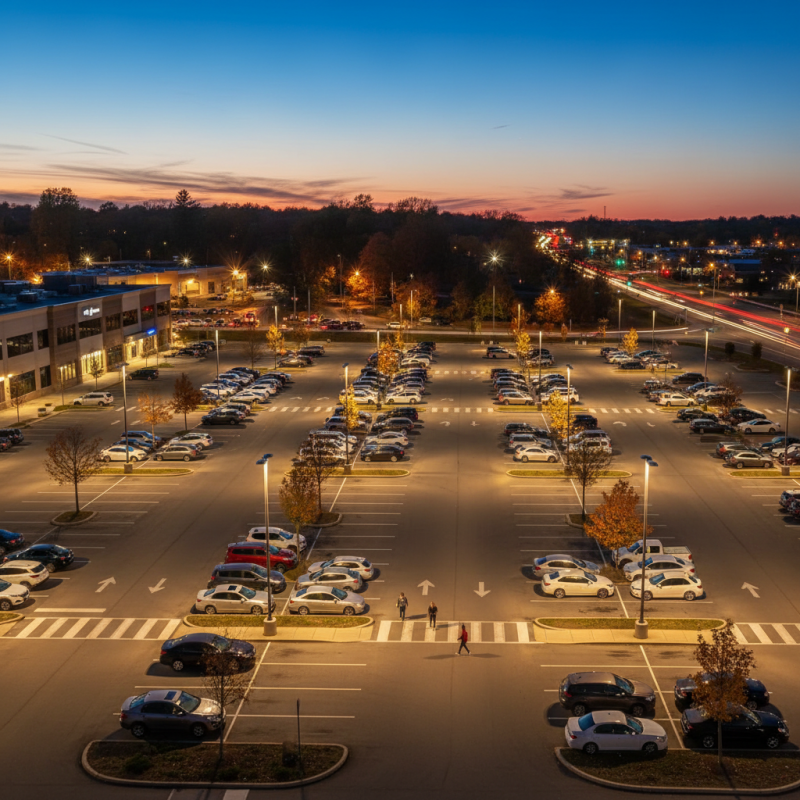
Understanding Lumens: The Basics of Lighting Measurement
When lighting a standard parking lot, understanding lumens is crucial. Lumens measure the total amount of visible light emitted by a source. This metric helps gauge brightness. A parking lot needs adequate lighting for safety and visibility. Ideally, a standard parking lot may require anywhere from 5,000 to 20,000 lumens based on its size and design.
Different areas of the parking lot may need different levels of brightness. For example, entries and exits should have higher lumens for clear visibility. Paths or less-trafficked areas can work with lower lumens. It's vital to balance costs with the safety benefits of proper lighting. Underestimating the required lumens may lead to poorly lit areas, creating potential hazards. So, consider every detail when planning lighting for your space. Regularly revisiting these calculations can ensure your approach remains effective and relieves any safety concerns.
Factors Influencing Lumens for Parking Lots
When it comes to illuminating a standard parking lot, various factors play crucial roles in determining the number of lumens required. A primary consideration is the size of the lot. An expansive area naturally demands more lighting to ensure visibility. Smaller lots may function well with fewer fixtures, while larger spaces require careful planning to avoid dark spots.
Foot traffic is another vital factor. Parking lots frequented by pedestrians must have adequate lighting to enhance safety. Typically, a well-lit area benefits both visitors and property owners. It reduces the likelihood of accidents and crime. The type of activity also matters. Lots serving residential areas often need different illumination levels compared to those used for commercial purposes.
Weather conditions can also affect lighting needs. In regions with frequent rain or fog, higher lumen outputs are necessary to maintain visibility. This might require more robust lighting solutions. Reflective surfaces, such as pavement, influence how light is distributed, impacting how many lumens are ultimately needed. Reflecting on these aspects can help design a safe and efficient parking lot environment.
Recommended Lumen Levels for Different Parking Lot Types
When it comes to illuminating a parking lot, different types require varying levels of brightness. For a standard commercial parking lot, around 5,000 to 10,000 lumens per pole is recommended. This ensures that drivers can see clearly, and pedestrian safety is prioritized. The right lumens also help deter crime and accidents.
For residential parking lots, the lumens can be a bit lower, generally ranging from 3,000 to 5,000 lumens. This provides sufficient visibility while maintaining a cozy environment for homeowners. Well-lit areas contribute to a sense of security. However, balancing brightness is key; too much light can create glare.
In contrast, large shopping center lots often need higher outputs. These can require 15,000 lumens or more per fixture. This level caters to a heavy flow of vehicles and foot traffic. It’s crucial to adjust the lighting based on usage patterns. Evaluating the needs of each space is an ongoing process. Brightness levels should be reconsidered regularly to adapt to changes in traffic and safety requirements.
Recommended Lumen Levels for Different Parking Lot Types
Lighting Layout and Placement Considerations for Parking Lots
When planning the lighting for a standard parking lot, layout and placement are crucial. The illuminance levels are typically measured in lumens, with the recommended range being between 10 to 20 foot-candles. According to the Illuminating Engineering Society (IES), a well-lit parking lot not only enhances security but also improves user experience. Despite these guidelines, many parking lots fail to meet these standards, often resulting in dark areas and increased safety risks.
All light fixtures should be strategically placed to avoid shadows. A common mistake is overcrowding certain spots while neglecting others. For instance, using pole spacing of 20 to 30 feet can help achieve uniform lighting distribution. The height and orientation of light poles play a significant role too. They should be high enough to reduce glare yet positioned to target specific areas. Each angle must be considered to balance visibility and comfort for drivers and pedestrians.
Reflective surfaces can improve the overall effectiveness of the lighting. Applying lighter pavement materials can increase brightness without needing more lumens. However, not enough attention is paid to this detail. Sometimes, the intended layout doesn’t get fully implemented due to budget constraints, leading to insufficient lighting. Evaluating existing designs and adapting to local conditions can help meet necessary standards.
Safety and Aesthetic Implications of Adequate Parking Lot Lighting
Adequate lighting is crucial for parking lots. The International Dark-Sky Association recommends a minimum of 10 to 30 lumens per square foot for general parking areas. Insufficient lighting can lead to unsafe conditions. Drivers and pedestrians may feel uneasy when visibility is poor. This discomfort can deter visitors or customers, potentially impacting local businesses.
According to a report by the Illuminating Engineering Society, well-lit parking lots reduce crime by up to 40%. Proper illumination allows for greater surveillance. This enhances safety and security. However, it’s not just about illuminating the area. The quality of light matters. Harsh lighting can create shadows, which are areas of concern.
Aesthetic considerations are also relevant. Effective parking lot lighting improves the overall appearance and usability of the space. The light should create a welcoming environment. Yet, some parking facilities miss the mark. Poorly designed lighting systems can lead to light pollution. It’s essential to balance safety with visual appeal. Achieving this balance requires careful planning and design.
How Many Lumens Do You Need for a Standard Parking Lot? - Safety and Aesthetic Implications of Adequate Parking Lot Lighting
| Lighting Type |
Recommended Lumens |
Coverage Area (sq. ft.) |
Safety Rating (1-10) |
Aesthetic Impact (1-10) |
| LED Floodlight |
10,000 - 15,000 |
300 - 400 |
9 |
8 |
| Metal Halide |
20,000 - 30,000 |
500 - 700 |
8 |
7 |
| High Pressure Sodium |
15,000 - 25,000 |
400 - 600 |
7 |
5 |
| Fluorescent |
5,000 - 10,000 |
200 - 300 |
6 |
6 |
| Solar LED |
7,000 - 12,000 |
250 - 350 |
8 |
9 |
Conclusion
When considering "How many lumens do I need for a standard parking lot?", it's essential to understand the basics of lumens as a measurement of light output. Various factors influence the required lumen levels, including the size of the parking lot, its layout, and the typical usage patterns. For different types of parking lots, such as commercial or residential, recommended lumen levels can vary significantly to ensure adequate visibility and safety.
In addition to determing the appropriate lumen levels, careful planning of the lighting layout and placement can enhance the efficacy of illumination. Adequate lighting is crucial not just for safety but also for aesthetic considerations, creating a welcoming environment for users. By addressing these aspects, one can ensure that the parking lot is both functional and secure during nighttime.

 Boray Light