How to Secure Light Poles in Soft Soil Areas?

Time:2026-07-15 Author:Aria
0%

Securing light poles in areas with soft soil is a critical task for ensuring public safety and functionality. Soft soil can lead to instability, causing poles to tilt or fall. Engineers and contractors must consider various methods to anchor these poles effectively. The question often arises: "How to secure light poles in areas with soft soil?"

One common technique involves using deeper concrete foundations to stabilize the poles. This method can provide a solid base. However, it requires careful planning and execution. Another approach is using specialized anchoring systems, which can also enhance stability. These systems often involve the use of helical piers or earth anchors, which can dig deep into the firm ground below the softer surface.

Despite these solutions, challenges remain in each method's application. Soil conditions can vary widely, making standard solutions less effective. This reality highlights the importance of site assessment. Understanding the specific soil type is crucial. Solutions may need adjustments based on each location's unique characteristics. Ultimately, the goal is to find reliable ways to secure light poles, ensuring safety and reducing maintenance concerns.
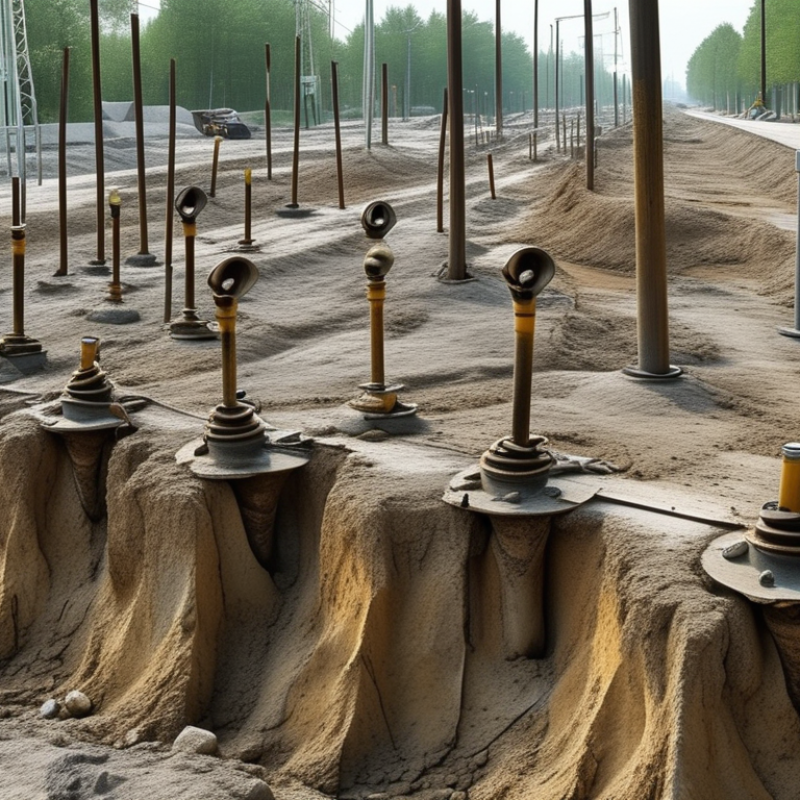
How to Secure Light Poles in Soft Soil Areas?

Choosing the Right Type of Light Pole for Soft Soil Environments

When choosing light poles for soft soil areas, it's crucial to consider the type of foundation. Soil with low bearing capacity often requires specialized poles. According to a study from the American Lighting Association, improper pole selection can lead to structural issues. For instance, poles around 25 to 30 feet high are often better suited for soft soils. They provide better stability while minimizing the risk of tilting.

The design of the pole is equally important. Hollow steel poles are popular in such environments due to their lightweight and strength. However, they may need additional support structures. A report from the National Electrical Manufacturers Association shows that using wider bases can enhance stability. These bases distribute the weight more evenly, which is essential for soft soils.

Installing poles deeper into the ground may seem effective. Yet, this method can backfire if not done correctly. Engineers need to assess soil conditions and moisture levels before deciding. Erroneous depth decisions could compromise the pole's integrity, especially during adverse weather conditions. Tailoring the installation process to the specific site conditions is vital for long-term performance.

How to Secure Light Poles in Soft Soil Areas? - Choosing the Right Type of Light Pole for Soft Soil Environments

Type of Light Pole Material Depth Recommended (ft) Base Type Wind Load Capacity (mph)
Concrete Reinforced Concrete 3-4 Anchor Base 100
Steel Galvanized Steel 4-5 Plate Base 120
Aluminum Powder-Coated Aluminum 2-3 Embedded Base 90
Composite Fiberglass 3-4 Hybrid Base 80

Assessing Soil Conditions and Stability for Light Pole Installation

When installing light poles in soft soil areas, it’s crucial to assess soil conditions. Soft soil presents unique challenges that can undermine stability. Engineers need to conduct a thorough soil analysis. This may include checking soil composition, moisture content, and bearing capacity. Soil testing methods like Standard Penetration Test (SPT) can provide valuable data for decision-making.

Light poles require firm support. In soft soil, it may not be sufficient to simply dig a hole and pour concrete. Additional measures may be necessary, like using wider bases or deeper foundations. Driving piles into the ground can enhance stability. These methods help ensure that poles can withstand winds and other loads over time.

Addressing soil conditions is often overlooked. Designers might underestimate the impact of unstable soil. A lack of attention to detail can lead to structural failures. Regular inspections of existing installations are necessary. Such measures ensure public safety and longevity of the light poles. Understanding soil properties is essential for successful installations.

How to Secure Light Poles in Soft Soil Areas

This chart illustrates the assessment of soil conditions and stability factors affecting light pole installation in soft soil areas. The data highlights various soil types, their stability ratings, and the recommended light pole foundation depths.

Methods for Deep Foundation Support in Soft Soil Areas

In soft soil areas, securing light poles poses unique challenges. Deep foundation support methods are crucial. According to the American Society of Civil Engineers, 30% of infrastructure failures in soft soils arise from inadequate support measures. This statistic highlights the necessity for reliable solutions.

One effective technique is the use of driven piles. Driven piles anchor deep into the ground, bypassing soft soil layers. A study published in the Journal of Geotechnical Engineering found that using driven piles can increase load capacity by up to 300%. However, installation can be labor-intensive and costly. Engineers must weigh costs against potential soil risks.

Another approach involves using helical anchors. These are installed by rotating into the soil, making them suitable for varied conditions. The International Foundation Congress and Equipment Expo notes that helical anchors have a quick installation time and often require less equipment. Yet, their performance can be inconsistent in extremely soft soils. Ongoing research is essential to optimize their application in these challenging environments. Balancing effectiveness and efficiency remains a key concern for engineers.

Design Considerations for Light Pole Anchoring Techniques

When anchoring light poles in soft soil, design considerations are crucial. Soft soil lacks stability, making proper anchoring methods essential. Use deep foundations to secure poles effectively. These foundations minimize the risk of tilting or toppling due to wind or external forces. A thorough soil analysis prior to installation can offer invaluable insights about the ground conditions.

Consider using screw or helical anchors. They provide strong support and adapt well to soft soil. These anchors can be installed without heavy machinery, making them convenient for various projects. Avoid standard concrete bases in such conditions, as they might not penetrate deep enough for stability.

Tips: Always test the soil before installation. Assess moisture levels and composition. This can impact the load-bearing capacity. Engage with local experts. They can share experiences and recommend tailored solutions for specific site conditions. Sometimes, trial and error is necessary. Learn from each project's unique challenges and successes, refining your approach as you gain insight into what works best.

Maintenance and Monitoring Practices for Secured Light Poles

Securing light poles in soft soil areas requires ongoing maintenance and monitoring. Soft soil can undermine pole stability due to its susceptibility to shifting and settling. A study by the American Society of Civil Engineers notes that improper installation in these areas can lead to a 30% increase in structural failure. Regular inspections are crucial for identifying issues early.

One effective practice is to check the soil condition regularly. Look for signs of erosion or displacement around the pole base. If soft soil is excessively moist, consider installing drainage solutions to prevent water accumulation. This helps maintain pole integrity.

Tips: Ensure that all fastenings are tight during inspections. If you notice any rust or corrosion, take immediate action to replace these components. Take soil samples to monitor moisture levels periodically. This valuable data can inform whether additional stabilizing measures are needed. Being proactive can save significant costs in future repairs and maintenance.

FAQS

: What type of light poles are suitable for soft soil environments?

: Poles around 25 to 30 feet high are typically better for soft soils. They offer better stability and reduce tilting risks.

Why is soil analysis important before installing light poles?

Soil analysis gives insights into conditions like moisture levels. This impacts the pole's load-bearing capacity and stability.

What foundation methods work well in soft soil?

Deep foundations, like driven piles and helical anchors, are effective. They help secure poles against tilting or toppling.

What are driven piles, and why are they beneficial?

Driven piles anchor deep into the ground, bypassing soft layers. They can increase load capacity significantly, but installation is costly.

What is a downside of helical anchors?

Their performance can be inconsistent in extremely soft soils. Research is ongoing to optimize their use in these areas.

Should standard concrete bases be used in soft soil conditions?

No, standard concrete bases often do not penetrate deeply enough. They may not provide the stability needed for soft soils.

How can I determine the right installation depth for poles?

Engineers should assess soil conditions and moisture levels. Incorrect depth can risk the pole's integrity in bad weather.

What is the role of local experts in pole installation?

Local experts can share experience and recommend solutions tailored to specific site conditions. Their insights are invaluable.

What should be done after initial installations?

Learn from trials and errors. Reflect on challenges faced and successes achieved to improve future projects.

Can lightweight poles perform well in soft soils?

Yes, hollow steel poles are lightweight and strong but may need extra support. Proper design is key to success in soft soils.

Conclusion

In addressing the question of "How to secure light poles in areas with soft soil?", it is essential to consider several key factors. First, selecting the appropriate type of light pole designed for soft soil environments is crucial, as it can significantly impact stability. Assessing soil conditions and overall site stability provides a foundation for determining the best installation methods.

Implementing deep foundation support techniques is often necessary in soft soil areas to enhance structural integrity. Careful design considerations for anchoring techniques, such as using suitable materials and configurations, play a vital role in securing the poles effectively. Lastly, establishing robust maintenance and monitoring practices ensures that the light poles remain secure over time, adapting to any changes in soil conditions or environmental factors. This comprehensive approach will help achieve reliable and safe lighting solutions in challenging soil environments.

Aria

Aria

Aria is a dedicated marketing professional with a deep passion for innovative strategies and a keen understanding of our company's product offerings. With a wealth of experience in the industry, Aria excels at crafting engaging content that highlights the unique features and benefits of our......