Can Solar Lights Charge Effectively in Shaded Areas?

Time:2026-06-13 Author:Isabella
0%

As the demand for sustainable energy solutions grows, many consumers wonder, "Can solar lights charge effectively in shaded areas?" Solar lights present an attractive option for outdoor lighting, leveraging renewable energy. However, their effectiveness in less-than-ideal conditions is often questioned. Studies indicate that solar panels can lose up to 70% of their efficiency in shaded environments.

According to a 2022 report by the National Renewable Energy Laboratory, solar energy production declines significantly when exposed to shadows. For instance, solar lights placed under trees or near buildings may not fully charge, rendering them less reliable. Some consumers may find themselves disappointed when their solar lights underperform after a cloudy day.

Despite these challenges, certain technologies aim to alleviate shading issues. Products with advanced solar cells can perform better in low-light conditions. However, not all consumers are aware of these innovations. It is essential to conduct thorough research before investing in solar lighting solutions, especially in shaded areas. Understanding the limitations and potential of these products can lead to more satisfactory uses of solar technology.
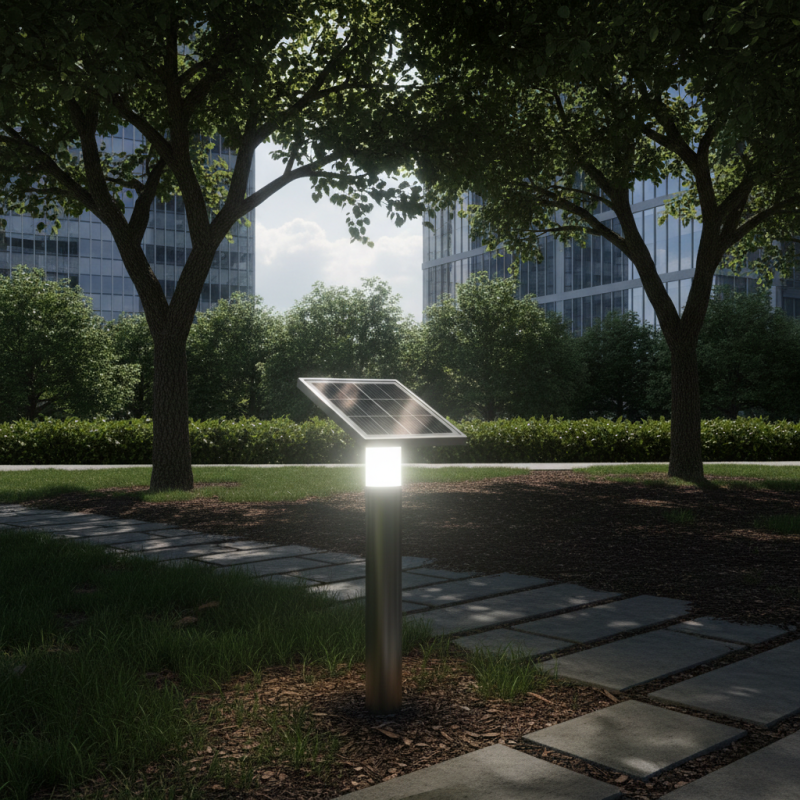
Can Solar Lights Charge Effectively in Shaded Areas?

Factors Affecting Solar Light Charging in Shaded Areas

Solar lights are a popular choice for eco-friendly outdoor lighting. However, their effectiveness in shaded areas is often questioned. The primary factor that influences charging in these conditions is sunlight availability. When solar panels are placed in shade, they receive diminished sunlight. This leads to reduced energy capture and storage.

The angle of the sun also plays a role. A solar panel that is not positioned correctly can further limit exposure. Trees, buildings, or other obstructions can create shadows that block sunlight. The type of solar panel is important as well. Some panels perform better in low-light conditions than others. Reflective surfaces nearby might help, but they won't guarantee full charging capability.

Reflecting on these factors, many users overlook the importance of proper placement. It is not just about installing lights; attention to detail is crucial. Consider doing tests at different times of day to find the best spots. Embrace the learning process. Adjusting positioning can lead to greater effectiveness. Continuous monitoring is necessary for optimizing performance in shaded areas.

Can Solar Lights Charge Effectively in Shaded Areas?

This chart shows the charging efficiency of solar lights under different lighting conditions: full sun, partial shade, and dense shade. As expected, solar lights charge best in full sunlight while their efficiency decreases significantly in shaded areas.

How Different Types of Solar Panels Perform in Low Light Conditions

Solar panels are designed to harness sunlight efficiently. However, their performance dips in shaded areas. The type of solar panel plays a vital role in this scenario. Monocrystalline panels typically perform best in low light. They can generate power even when light conditions are not optimal. These panels are made from a single crystal structure, which allows them to convert sunlight into energy effectively.

Polycrystalline panels, on the other hand, have a mixed crystal structure. They are less efficient in shade but often more affordable. In shaded areas, their performance can be significantly reduced. Observing different panel types under similar conditions reveals stark contrasts in energy output. Some users find that thin-film solar panels offer flexibility, but they lack efficiency compared to crystalline options.

The reality is that solar lights may struggle in shaded regions. It's essential for consumers to assess their environment before investing. Reflecting on the unique qualities of each panel type can lead to more informed decisions. Evaluating actual performance in real-life scenarios can further guide users toward the right choice for their specific needs.

The Role of Sunlight Exposure and Its Impact on Solar Energy Harvesting

Solar lights depend heavily on sunlight for effective charging. When placed in shaded areas, their efficiency can drop significantly. This impact can vary depending on the level of shade and the duration of sunlight exposure. For instance, lights under trees or near tall buildings may receive inconsistent sunlight. Regularly assessing the location of solar lights is crucial. A shaded solar light may only gather enough power for minimal operation.

Tips: Ensure to position your solar lights where they receive direct sunlight for six hours daily. If complete sun exposure isn’t possible, consider models that perform better in low light.

While some solar products claim to work in partial shade, real-world conditions often tell a different story. Users may find that lights don’t last as long or are less bright than expected. This disappointment highlights the importance of testing placement and understanding the local environment. Adjusting your expectations can lead to better outcomes.

Tips: Regularly clean solar panels to remove dirt and leaves. This simple maintenance can enhance light performance. Evaluate the surroundings with each season's changes.

Can Solar Lights Charge Effectively in Shaded Areas?

Location Type Average Daily Sunlight (hours) Charging Efficiency (%) Battery Duration (hours)
Partially Shaded Garden 4 60 6
Fully Shaded Area 2 30 3
Open Patio 6 80 10
Near Tall Buildings 3 45 5
Wooded Area 1 25 2

Practical Solutions for Improving Charging Efficiency in Shaded Locations

In shaded areas, solar lights often struggle to charge effectively. Direct sunlight is essential for maximizing energy conversion. However, there are practical solutions to enhance charging efficiency.

One approach is to position the lights in areas that receive indirect sunlight. Even a few hours of exposure can significantly improve charging. Another option is to adjust the angle of the solar panels. A slight tilt can help capture more sunlight as the sun moves across the sky. This small adjustment can make a notable difference.

Using reflective materials can also aid in boosting the light intensity. Placing reflective surfaces nearby can redirect sunlight to the panels. This solution helps even in partially shaded environments. It's important to regularly monitor the performance of solar lights. Identifying patterns of shading can lead to better placement decisions over time. These small changes can help maximize the effectiveness of solar lights in challenging locations.

Comparison of Solar Lights: Performance in Sun vs. Shade Environments

Solar lights have gained popularity as an eco-friendly solution for outdoor lighting. However, their performance can be significantly affected by their environment. Research shows that solar lights generally need direct sunlight to charge effectively, often requiring six to eight hours of unfiltered sun exposure. In contrast, shaded areas drastically reduce this efficiency.

According to a report by the U.S. Department of Energy, solar lights placed in shaded locations may only receive 10% to 20% of the necessary sunlight for optimal performance. This means that even partial shade from trees or buildings can lead to diminished battery life and brightness. In many cases, users underestimate the importance of light exposure, expecting comparable performance across different settings.

Observation shows that solar panels absorb sunlight more efficiently at angles directly facing the sun. Yet, in shaded areas, panels struggle to convert light into energy. Some users find that their solar lights flash or dim within hours of use due to inadequate charging. This reveals a critical misperception: not all solar lights are created equal regarding shade tolerance. Each environment presents unique challenges that impact performance and longevity, thus emphasizing the need for careful consideration when choosing solar lighting solutions.

FAQS

: How does sunlight exposure affect solar lights?

: Solar lights need direct sunlight to charge efficiently. Shade can significantly reduce their charging capacity.

What are the optimal conditions for positioning solar lights?

Position solar lights in areas with direct sunlight for at least six hours daily for best results.

Can solar lights perform well in shaded areas?

While some products claim to work in partial shade, users often find them less effective and dimmer in reality.

How often should solar light placements be assessed?

Regular assessments are crucial, especially as seasons change and sunlight exposure patterns may differ.

What simple maintenance can improve solar light performance?

Regularly clean solar panels to remove dirt and debris. This maintenance enhances the lights' charging efficiency.

Can indirect sunlight improve solar charging efficiency?

Yes, placing lights where they receive indirect sunlight can help charge more effectively, even if briefly.

How can adjusting the angle of solar panels help?

Tilting solar panels slightly allows them to capture more sunlight as the sun moves across the sky.

What role do reflective materials play in solar lighting?

Using reflective surfaces nearby can redirect sunlight to solar panels, enhancing light intensity in shaded areas.

What is a common user disappointment with solar lights?

Many find that their solar lights don’t last or are less bright than promised, leading to unmet expectations.

What should users do if solar lights underperform?

It's important to test different placements and adjust expectations based on real-world performance and environmental conditions.

Conclusion

The article explores the question, "Can solar lights charge effectively in shaded areas?" by examining various factors that influence solar light performance in low-light conditions. Key aspects include the impact of different types of solar panels, which vary in efficiency when sunlight exposure is limited. The text highlights the critical role of sunlight exposure in energy harvesting and discusses practical solutions to enhance charging efficiency in shaded locations.

Furthermore, a comparison of solar lights demonstrates how their performance diverges between sunny and shaded environments. Ultimately, the findings underscore the importance of optimal placement and type of solar technology to improve functionality even in less-than-ideal lighting conditions, providing valuable insights for users considering solar lights in such settings.

Isabella

Isabella

Isabella is a dedicated marketing professional with a sharp focus on driving brand growth and engagement through strategic content creation. With an extensive background in digital marketing, she combines her passion for storytelling with her keen understanding of industry trends to deliver......