Salt spray corrosion is a significant challenge for coastal lighting systems. According to a report by the National Oceanic and Atmospheric Administration (NOAA), approximately 75% of coastal structures face corrosion issues due to salt water exposure. This not only affects the appearance of lighting systems but also reduces their lifespan and increases maintenance costs.
Experts emphasize the importance of understanding how to prevent salt spray corrosion on coastal lighting. Dr. Emily Stanton, a corrosion specialist, states, “Investing in the right materials can greatly prolong the life of coastal lighting installations.” She highlights that using corrosion-resistant materials and protective coatings is vital.
Maintenance is often overlooked. Regular inspections and timely repairs can mitigate corrosion but are frequently neglected. This reflects a broader industry issue. Many stakeholders focus on initial costs, neglecting long-term effectiveness. It’s crucial to balance initial expenses with the potential for future savings in maintenance and replacements.
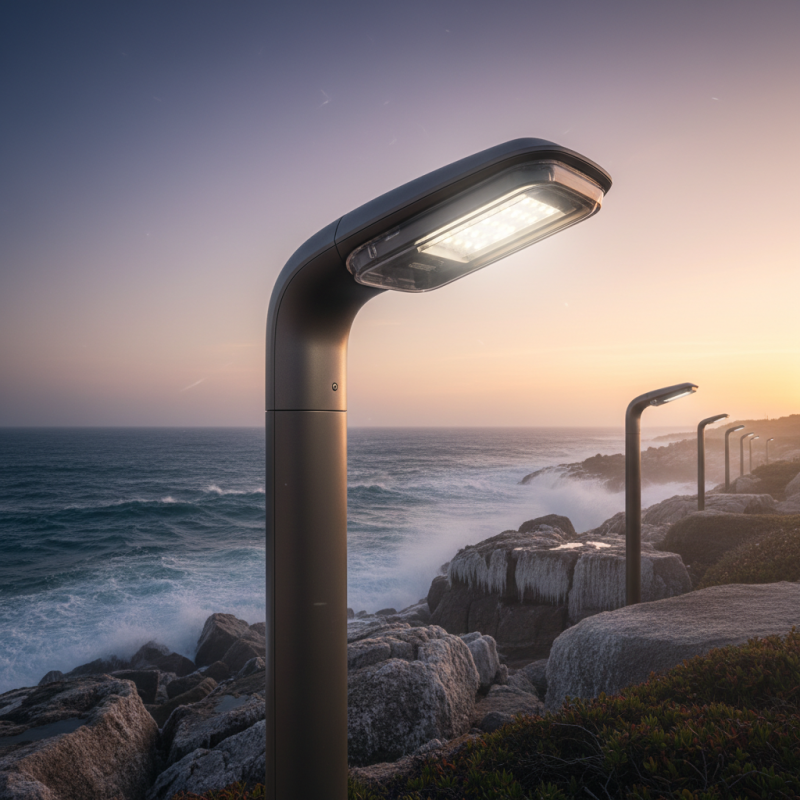
Salt spray corrosion presents a significant challenge for coastal lighting systems. Exposure to salty air and sea spray can lead to severe deterioration, impacting both aesthetics and functionality. A study from the Corrosion Technology Association indicates that up to 30% of coastal infrastructure failures stem from corrosion, significantly shortening the lifespan of lighting installations.
Understanding the nuances of salt spray corrosion is essential. According to the National Association of Corrosion Engineers, corrosion rates can increase exponentially based on humidity and salt concentration. This means that coastal areas with higher humidity experiences corrosion at much faster rates. Maintenance strategies often lag behind corrosion challenges, resulting in unexpected failures. Regular inspections and protective coatings become essential but are frequently neglected due to budget constraints.
Preventing corrosion requires a proactive approach. Developing an effective inspection regimen tailored to local conditions is crucial. In many cases, specialized training for maintenance personnel is overlooked, hindering effective response strategies. Additionally, while there are numerous protective materials available, selecting the wrong type can lead to more damage than protection. Thus, understanding the environmental impact of salt spray corrosion is not merely an academic exercise; it’s vital for ensuring longevity of coastal lighting systems.
: Salt spray can cause significant corrosion. About 30% of coastal lighting fixtures suffer damage.
Regular maintenance and using marine-grade materials are key. Protective coatings can cut corrosion by 50%.
Salt exposure, humidity, and temperature changes all contribute to quicker corrosion. Understanding these factors is crucial.
Regular inspections should include looking for rust or discoloration. Early detection is vital to saving costs.
Implement a cleaning schedule. Rinsing fixtures with fresh water can help remove harmful salt deposits.
Install fixtures at an adequate height. Landscaping elements can help create buffer zones to limit exposure.
Not all coatings perform well in coastal areas. Selecting the effective one can be difficult without proper guidance.
Yes, professionals offer tailored solutions. They can provide insights that generic guidelines might miss.
Coastal lighting systems are particularly susceptible to salt spray corrosion due to their proximity to the ocean. Understanding how to prevent salt spray corrosion on coastal lighting is crucial for maintaining the integrity and functionality of these installations. The article highlights the importance of identifying vulnerable components within the lighting system, such as exposed metal parts and joints that can accumulate salt residues.
To mitigate the effects of corrosion, it is recommended to implement preventive measures, including applying protective coatings and regularly cleaning the equipment. Adopting maintenance best practices, such as routine inspections and prompt repairs, can significantly enhance the longevity of coastal lighting systems. Additionally, selecting corrosion-resistant materials designed specifically for harsh coastal environments can further safeguard against the detrimental impacts of salt spray. Overall, these strategies ensure that coastal lighting systems remain effective and visually appealing despite the challenges posed by their surroundings.

 Boray Light