High-mast light poles stand tall, illuminating large areas from a significant height. However, these structures are particularly vulnerable to lightning strikes. Understanding how to ground a high-mast light pole against lightning is essential for safety and equipment longevity. Proper grounding methods protect not just the pole but also surrounding infrastructures and nearby environments.
When grounding high-mast poles, consider factors like soil conductivity and local weather patterns. Effective grounding systems reduce lightning's impact, preventing damages. Yet, many installations overlook this critical aspect. Using substandard materials or improper techniques can lead to issues. These missteps can compromise the safety of the entire installation.
It's crucial to rely on best practices and expert recommendations when situating these poles. Engaging professionals with experience in lightning protection systems is vital. Comprehensive planning and execution yield the best results. Investing time and resources upfront can save significant costs in repairs and downtime later. Grounding high-mast light poles effectively ensures their functionality and enhances safety for all.
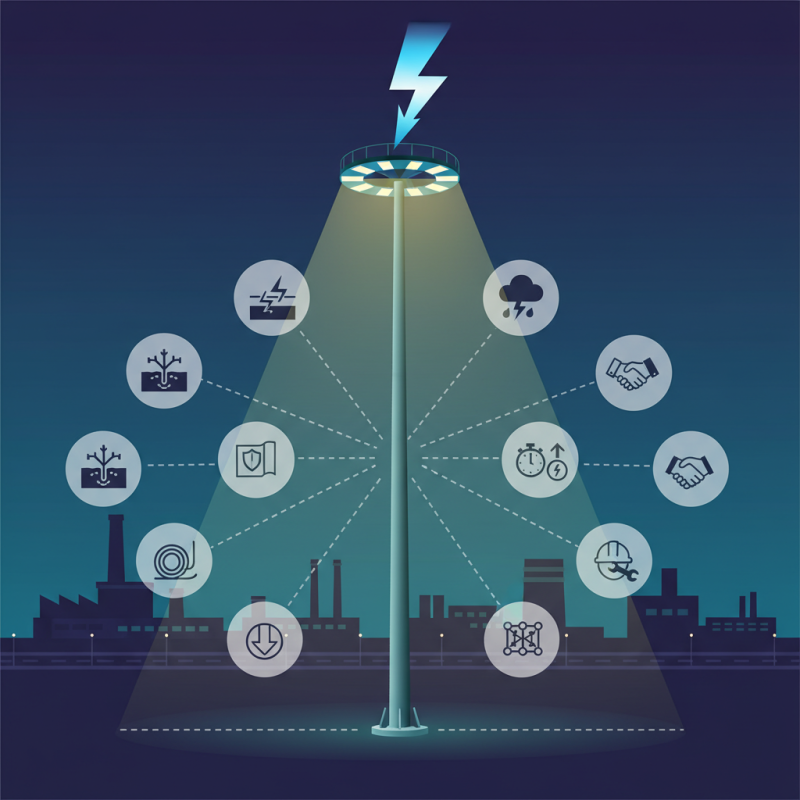
Grounding high mast light poles is crucial for safety and longevity. These poles endure harsh conditions and are susceptible to lightning strikes. According to the National Fire Protection Association (NFPA), nearly 25 million lightning strikes occur in the U.S. each year. Proper grounding can mitigate this risk, preventing damage and ensuring the safety of nearby structures and personnel.
One key consideration is the grounding resistance. A lower resistance value means better protection. The International Electrotechnical Commission (IEC) recommends a resistance of 5 ohms or less for effective grounding systems. This is essential to ensure that lightning will follow the path of least resistance, ideally towards the ground.
For enhanced protection, install multiple ground rods. The rods should be spaced well apart and driven deep into the ground. This configuration increases the system's capacity to dissipate electrical energy. Additionally, ensure all connections are corrosion-resistant. Even a small rust problem can compromise the effectiveness of your grounding system.
Regular inspections are vital. Check for any signs of wear, corrosion, or displacement and correct issues promptly. Engage with a certified professional for routine maintenance. Lightning protection demands attention, and proper grounding ensures that high mast lights can serve safely and efficiently.
Grounding high mast light poles is crucial for safety and longevity. The grounding system must efficiently dissipate lightning energy. Key components include ground rods, conductors, and ground plates. Selecting the right materials is vital for performance. Copper and galvanized steel are commonly used due to their corrosion resistance.
According to the National Fire Protection Association (NFPA), proper grounding reduces the risk of electrical shock and fire damage. A ground rod should be at least 8 feet long in most cases. The placement of these rods significantly impacts their effectiveness. They should be spaced appropriately to facilitate maximum energy dissipation.
It’s important to avoid common mistakes in installation. Inadequate connection between grounding conductors and light poles can lead to dangerous surges. Regular inspections help identify wear and tear in the system. The grounding system must be revisited after severe storms. Evaluating grounding performance can prevent future failures.
Installing grounding rods effectively for high mast light poles is crucial for safety. Begin by selecting the right location for your grounding rod. It should be in a spot with moist soil and away from electrical lines. This ensures optimum conductivity and reduces risks.
Next, dig a hole that is three to four feet deep. A powered post hole digger works well here. Insert the grounding rod vertically into the hole. Use a hammer or a heavy mallet to drive it deep into the earth. Leave a few inches above ground to connect wiring later.
After securing the rod, connect a grounding wire. Use approved clamps to ensure a solid connection. This step is critical for safety. Check connections frequently. An improper setup could lead to performance issues during storms. Sometimes, the wire might corrode or loosen over time. It’s good practice to inspect your system annually to maintain its effectiveness.
Regular maintenance of grounding systems for high mast light poles is crucial for ensuring safety and longevity. Inspecting grounding connections is essential. Over time, corrosion can weaken these connections. Checking the grounding rods and wires can help prevent potential failures.
Another key aspect is verifying the resistance levels of the grounding system. Using a ground resistance tester can provide accurate readings. A resistance level below 5 ohms is generally acceptable for effective grounding. Frequent testing helps identify issues early.
Documentation of maintenance activities can also enhance reliability. Keeping records of inspections and repairs allows for informed decision-making in the future. It can be useful to reflect on past maintenance actions. Learning from previous experiences helps improve practices and avoid repeated mistakes. This attention to detail fosters a robust grounding system, minimizing risks associated with lightning strikes.
| Tip No. | Tip Description | Frequency of Maintenance | Recommended Tools |
|---|---|---|---|
| 1 | Ensure proper grounding electrode system installation. | Annually | Ground testing equipment |
| 2 | Inspect grounding connections for corrosion. | Semi-annually | Wire brush, corrosion inhibitor |
| 3 | Verify the resistance of grounding system. | Annually | Multimeter |
| 4 | Maintain proper ground wire size and length. | As needed | Wire gauge tool |
| 5 | Check the physical integrity of the ground rod. | Annually | Inspection mirror, flashlight |
| 6 | Ensure adequate grounding at all connections and junctions. | Annually | Torque wrench |
| 7 | Update grounding system following any structural changes. | As changes occur | Construction tools |
| 8 | Consult a professional for complex systems. | As needed | N/A |
| 9 | Educate staff on lightning safety and system operation. | Annually | Training materials |
| 10 | Document all maintenance activities for future reference. | Ongoing | Logbook or digital records |
When grounding high mast light poles against lightning, common mistakes can lead to severe consequences. One critical error is insufficient grounding conductor size. The National Electrical Code (NEC) suggests that the ground conductor must be sized appropriately to handle the expected fault current. Many installations use conductors that are too small, failing to provide adequate protection.
Another frequent oversight is improper installation depth. The grounding electrodes should be driven deep into the earth. This increases conductivity and enhances lightning protection. A report by the International Electrotechnical Commission (IEC) indicates that electrodes should ideally be at least 10 feet deep. Failing to meet this depth can expose light poles to risks from lightning strikes.
In addition, some installers neglect to create a proper grounding grid. A grounding grid distributes the lightning current evenly, thereby reducing the voltage gradient around the pole. Without it, the risk of damage increases significantly. Reports show that lightning can induce high potential differences under faulty grounding conditions, exposing surrounding equipment to significant dangers. Regularly reviewing grounding practices can help avoid these pitfalls.
: Grounding is vital for safety and longevity. It protects against lightning strikes.
A resistance of 5 ohms or less is ideal for effective grounding systems.
Install multiple ground rods. Space them apart and drive them deep into the ground.
Use copper and galvanized steel. They are known for corrosion resistance and durability.
Ground rods should typically be at least 8 feet long for effective grounding.
Using an insufficient ground conductor size is a frequent error. This compromises safety.
They should ideally be driven at least 10 feet deep for better conductivity.
Yes, regular inspections help identify wear, corrosion, or other issues in the system.
It can lead to dangerous electrical surges, putting structures at risk.
Creating a proper grounding grid helps distribute lightning current and lowers voltage gradients.
Grounding high mast light poles is crucial for protecting them against lightning strikes, ensuring safety and functionality in outdoor environments. This article outlines the key components of an effective grounding system, emphasizing the importance of properly connecting grounding rods and using the right materials.
To understand how to ground a high-mast light pole against lightning, one must follow a step-by-step guide that includes selecting the appropriate locations for grounding rods and installing them securely. Regular maintenance is emphasized to ensure longevity and effectiveness, while common mistakes to avoid, such as inadequate connections and neglecting inspections, are also highlighted. By adhering to these best practices, one can significantly enhance the resilience of high mast light poles against lightning-related damage.

Boray Light