10 Tips to Accurately Test the Brightness of LED Fixtures?

Time:2026-07-05 Author:Ethan
0%

In the evolving world of LED technology, ensuring optimal performance is crucial. Experts, like Dr. Emily Johnson, a renowned lighting engineer, emphasize the need for precise measurements. She states, "Understanding how to test the actual brightness of a new LED fixture is essential for effective lighting design."

Accurate testing of LED brightness involves various techniques and tools. Knowing how to measure lumens and understanding different testing methods can lead to better choices for projects. A meticulous approach can reveal vital information. However, not all fixtures are created equal; variations can affect brightness levels.

Lighting professionals often face challenges in ensuring consistency. Many overlook the importance of ambient conditions when testing brightness. Environmental factors can impact results significantly. Reflecting on these aspects is crucial for reliable outcomes. When determining how to test the actual brightness of a new LED fixture, strive for thoroughness and accuracy. Effective testing leads to better lighting solutions and improved satisfaction.
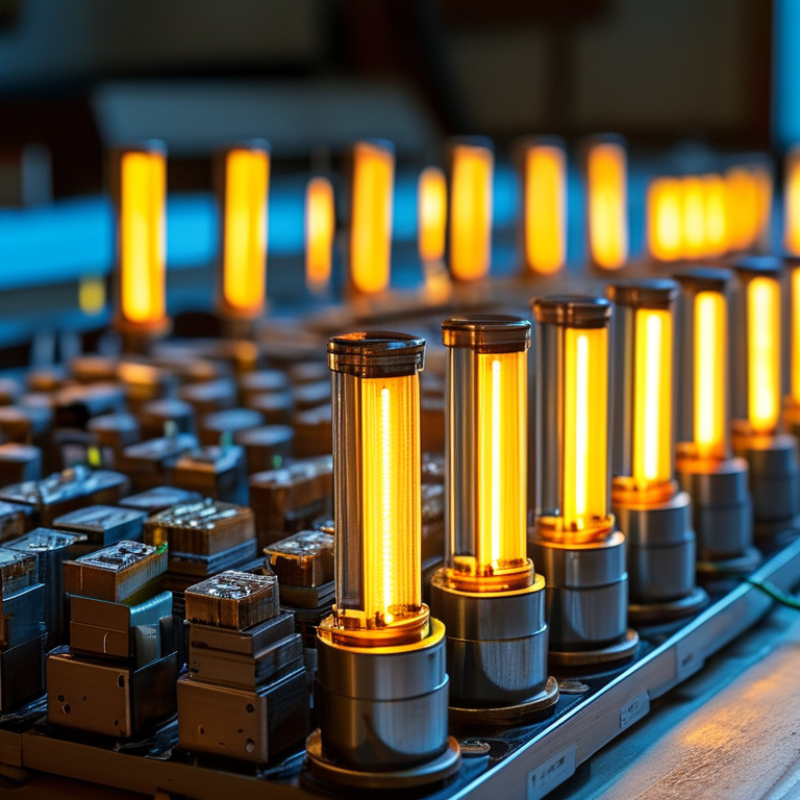
10 Tips to Accurately Test the Brightness of LED Fixtures?

Understanding LED Brightness: Key Metrics and Standards

LED brightness is measured using several key metrics. Lumens indicate the total light output, while lux measures brightness per unit area. Understanding these terms is essential for accurate assessments. For example, a room may feel dark even with high lumen counts. This could be due to how light is distributed.

Uniformity is also vital. A fixture might provide enough lumens, but poor light distribution creates shadows. This can lead to areas that feel dimmer or brighter than intended. In some cases, this imbalance can affect productivity in workspaces. Testing brightness should involve a consistent methodology, like using a calibrated light meter.

Standards such as the Illuminating Engineering Society (IES) guidelines provide a framework for testing. They recommend a specific measurement process to ensure reliability. However, many users may overlook these standards, leading to inconsistent results. It’s crucial to remember that not all settings require the same brightness. Tailoring illumination to specific tasks can enhance comfort and efficiency in various environments.

LED Fixtures Brightness Comparison

This chart represents the measured brightness levels of various LED fixtures in lumens. The metrics include different fixture types commonly used in residential and commercial applications.

Measuring Lumen Output: Tools and Techniques for Accurate Testing

Measuring the lumen output of LED fixtures is crucial for ensuring optimal lighting performance. Accurate testing requires specific tools and techniques to get reliable results. A calibrated light meter is essential for measuring luminance. Devices like the Integrating Sphere can also provide comprehensive data about the light distribution, making it easier to assess the total lumen output.

When testing, consider the environment. Ambient light can distort readings. Testing in a controlled environment, free from sunlight and reflections, enhances accuracy. Also, ensure that the LED fixture is warmed up to operating temperature before taking measurements. This is important, as LED lights can have varying output during their warm-up phase. A report from the Illuminating Engineering Society highlights that improperly conducted tests can lead to misleading brightness data, which compromises the quality of lighting design.

Common techniques such as the photometric method can yield precise lumen outputs. However, many practitioners overlook the importance of consistent methodology. Regular calibration of tools is necessary to maintain accuracy. Many users might assume their equipment is precise, but drift in calibration can lead to significant errors. Remember, even minor inconsistencies in setup can result in vastly different outcomes. Fostering a disciplined approach to testing can ultimately enhance reliability in your lumen measurements.

The Role of Color Temperature in Perceived Brightness

Color temperature significantly impacts our perception of brightness in LED fixtures. Warm white light (around 2700K) creates a cozy environment, while cool white light (around 5000K) feels more energizing. This difference affects how we perceive the same amount of light. When testing brightness, it’s essential to recognize that two fixtures with identical lumens can evoke differing feelings about their brightness based on color temperature.

Understanding color rendering index (CRI) is also crucial. Higher CRI values correlate with better color accuracy, which can influence perceived brightness. A fixture that renders colors more vividly may appear brighter, despite having lower lumens. Lighting tests should consider not just the technical specifications but also how people experience different temperatures in practice.

While it’s tempting to rely solely on numerical data, subjective experiences matter too. Observers may feel a light source is either too harsh or too dim based on its color temperature. This aspect can lead to inconclusive results when testing brightness. It’s vital to test in varied settings and gather feedback from different users for comprehensive insights.

Comparative Analysis: LED Fixtures vs. Traditional Lighting Solutions

When comparing LED fixtures to traditional lighting solutions, there are significant differences in brightness and energy efficiency. LED lights emit a more focused and intense light. This not only enhances visibility but also creates a vibrant atmosphere in any space. They often offer a higher lumen output per watt compared to incandescent or fluorescent bulbs, making them a popular choice for various applications.

However, some users may find that LED lights can appear harsh or stark in certain settings. This perception can lead to discomfort or a feeling of coldness in a room, especially if the color temperature is too high. Additionally, the initial investment for LED fixtures may seem steep. Yet, their longevity and reduced energy costs often offset this concern over time.

It’s critical to test the brightness accurately to ensure optimal performance. Factors like dimming capabilities and color rendering index (CRI) are vital. A fixture might have a high lumen rating, but if the light quality is subpar, the overall experience diminishes. Users should assess both the quantitative and qualitative aspects of the lighting when making their decision.

Impact of Fixture Design on Light Distribution and Brightness Measurement

The design of LED fixtures plays a crucial role in light distribution and brightness measurement. A well-designed fixture can enhance light output and minimize glare. It's important to analyze how different shapes and materials affect the light path. For instance, reflective surfaces can concentrate light, while diffusing materials can spread it out. This interplay is essential for accurate brightness testing.

When testing brightness, consider the fixture's design. Light angles and distribution patterns matter. If the fixture is not properly engineered, it may produce uneven brightness. This could lead to misleading measurements. A poorly designed fixture can also cause hotspots, which can skew data. In practical applications, variations in the fixture design can significantly alter perceived brightness levels.

Testing the brightness of LED fixtures isn't always straightforward. Users may find inconsistencies depending on environmental factors. Factors like room color and surface textures influence how light is perceived. These elements can lead to subjective interpretations of brightness. Therefore, understanding fixture design is key to obtaining reliable results. Always reflect on how design choices affect light performance.

FAQS

: What are the key metrics used to measure LED brightness?

: Lumens indicate total light output, while lux measures brightness per unit area.

Why is light distribution important for brightness perception?

Poor light distribution can create shadows, causing areas to feel dimmer or brighter than expected.

What is necessary for accurate lumen output testing?

A calibrated light meter and controlled testing environments are essential for reliable results.

How can ambient light affect brightness measurements?

Ambient light can distort readings, making it important to test in a controlled space.

Why is fixture design significant for light measurement?

A well-designed fixture minimizes glare and enhances light output, affecting perceived brightness.

What common mistake do users make during brightness testing?

Many overlook consistent methodologies and may not regularly calibrate tools, leading to errors.

How can different materials in fixtures impact light distribution?

Reflective surfaces concentrate light, while diffusing materials can spread it, affecting brightness measurements.

What factors should be considered when measuring LED brightness?

Light angles and distribution patterns of fixtures greatly influence brightness perceptions.

What can happen if brightness tests are improperly conducted?

Misleading data from poorly done tests can compromise the overall quality of lighting design.

What attitude should users have towards their measurement tools?

Users should reflect on the precision of their equipment and ensure it’s regularly calibrated.

Conclusion

In the quest to determine "how to test the actual brightness of a new LED fixture," it's crucial to understand key metrics like lumens and foot-candles, which serve as benchmarks for measuring brightness. Utilizing tools such as light meters and spectrometers can enhance the accuracy of lumen output tests. Additionally, the role of color temperature cannot be overlooked, as it affects perceived brightness and how a space feels overall.

Furthermore, a comparative analysis of LED fixtures against traditional lighting can highlight advantages in energy efficiency and longevity. It's also important to consider the impact of fixture design on light distribution, as this can significantly influence actual brightness measurements. By following these tips and utilizing the right techniques, one can ensure a thorough and accurate assessment of LED fixture brightness.

Ethan

Ethan

Ethan is a seasoned marketing professional with a deep expertise in our company's innovative product line. With a passion for sharing knowledge and insights, he takes the lead in regularly updating our corporate blog, where he explores industry trends, product features, and effective marketing......