In the quest for sustainable energy, high-altitude solar panels are increasingly popular. However, dust accumulation is a significant challenge in these regions. This leads to one pressing question: How to clean dust off high-altitude solar panels? Cleaning these panels is not just about aesthetics; it impacts energy efficiency.
Dust can block sunlight and reduce energy output by as much as 25%. Therefore, regular maintenance is vital. The methods for cleaning solar panels at high altitudes vary based on accessibility and environmental conditions. Some techniques require specialized equipment, while others can be implemented with simple tools.
Moreover, cleaning practices must be safe and environmentally friendly. Using water and safe detergents is essential. However, techniques can sometimes cause minor damage if improperly executed. Reflecting on these challenges helps refine our approach to maintaining solar panels effectively and sustainably.
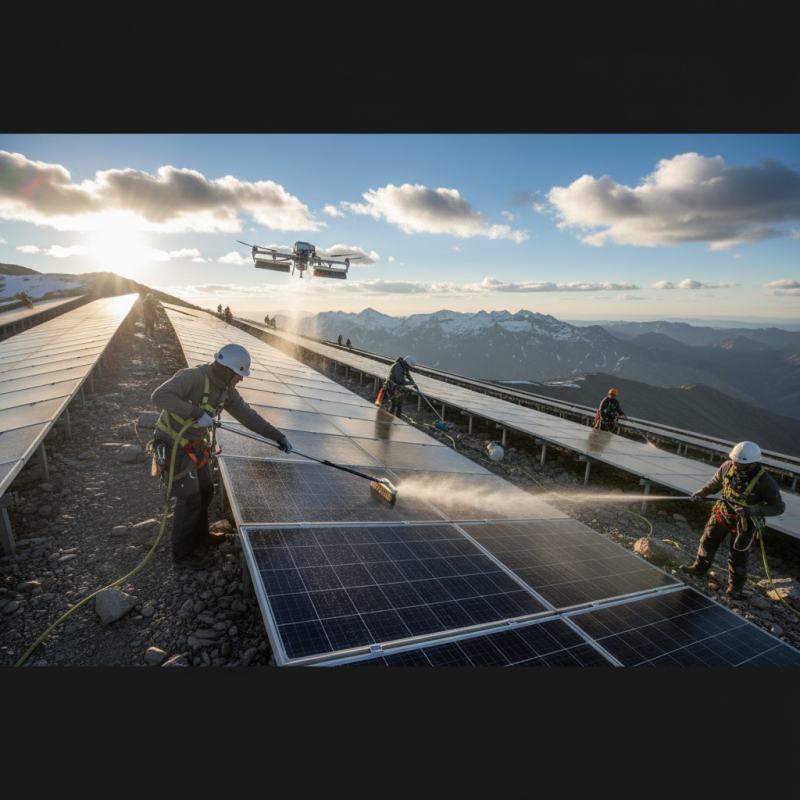
Cleaning solar panels at high altitudes is crucial. Dust and debris can accumulate quickly due to wind and other natural elements. This buildup reduces the efficiency of solar panels, leading to decreased energy output. For effective solar energy harnessing, regular cleaning becomes necessary, especially in mountainous areas where dirt settles faster.
At high elevations, the atmosphere can be harsh. Dust particles, pollen, and bird droppings can form a layer on solar panels. A clean surface maximizes sunlight absorption. Neglecting to clean the panels may result in a drop in energy production. It's always a challenge to determine the right cleaning method, especially in inaccessible areas.
There are several methods for cleaning. Some might use water, while others prefer dry brushes. Each technique has its pros and cons. Over time, many owners find their unique solutions, adapting to their altitude conditions. However, trial and error is common. This pursuit of the most effective method often leads to insights about the impact of high-altitude conditions on solar energy systems.
Cleaning solar panels at high altitudes is crucial for maintaining their efficiency. This bar chart illustrates the effectiveness of various cleaning methods commonly employed in China, with ratings on a scale from 1 to 10.
Dust accumulation on solar panels can significantly reduce their efficiency. Regular assessments are crucial to maintaining optimal performance. Experts recommend visual inspections to gauge dust levels. Operators often use simple visual cues like changes in panel sheen. A noticeable dullness may indicate dust buildup.
Additionally, measuring the output performance of solar panels is essential. Monitoring energy production trends helps identify dust-related issues. Comparing current output with historical data can reveal anomalies. When energy production dips, it might signal that cleaning is necessary. Dust measurements can be supplemented with local weather reports to predict accumulation patterns.
On high-altitude solar installations, unique challenges arise. Wind intensity and direction can vary dramatically. Operators may need to adjust cleaning schedules based on these factors. Frequent reassessments help in adapting to changing conditions. Ultimately, maintaining efficiency is a continuous process that requires vigilance and adaptability.
| Method | Description | Effectiveness (%) | Frequency of Use |
|---|---|---|---|
| Manual Cleaning | Using water and cloths to manually wipe the panels. | 90 | Monthly |
| Brush Method | Using soft brushes attached to poles to sweep dust off. | 85 | Every two weeks |
| Water Spray | Spraying water onto solar panels to loosen dirt. | 80 | Monthly |
| Robotic Cleaners | Automated robots that clean solar panels. | 95 | Weekly |
| Ultrasonic Cleaning | Using ultrasonic waves to dislodge dust. | 88 | Quarterly |
| Foam Cleaning | Using foaming agents to clean the surfaces. | 82 | Monthly |
| Compressed Air | Blowing dust off with compressed air tools. | 70 | As needed |
| Washing Systems | Fully automated washing systems for panels. | 90 | Monthly |
| Hydrophobic Coating | Applying coatings to repel dust and dirt. | 75 | Annually |
| Solar Panel Tilt | Adjusting angles to help dust slide off. | 65 | As needed |
Cleaning high-altitude solar panels can be a challenging task. Manual cleaning techniques are crucial for maintaining their efficiency. One effective method involves using a soft brush with long handles. This allows for reaching elevated surfaces without risking safety. Ensure the brush is gentle to avoid scratches on the panel surface.
Another technique employs a squeegee with an extended pole. This tool helps remove stubborn dust without much effort. Always work from top to bottom to avoid streaking. A light spray of water can assist in loosening dirt. Be cautious not to use too much water, as it may damage the system.
It's essential to inspect the panels frequently. Dust accumulation can deeply impact energy output. However, sometimes, excessive cleaning can also harm the panels. Finding a balance is key. Frequent reflection on cleaning methods can lead to better practices, ensuring longevity and optimal performance.
Keeping high-altitude solar panels clean is crucial for efficiency. Dust accumulation can significantly reduce their output. Innovative technologies are now addressing this challenge with automated cleaning solutions. For example, studies indicate that dust can decrease solar panel efficiency by up to 30% in arid regions.
Automated solar panel cleaning systems utilize robots and drones to ensure panels remain spotless. These machines can work in extreme conditions, minimizing human effort and increasing safety. They employ brushes, compressed air, or waterless cleaning methods to achieve optimal results. A report from the Solar Energy Industries Association notes that automated systems can save up to 50% on labor costs compared to traditional cleaning methods.
Here are some tips to enhance your solar panel upkeep:
Cleaning solar panels at high altitudes presents unique safety challenges. The reduced oxygen and fluctuating weather conditions can create risks. Workers must be trained and equipped to handle these situations. According to the National Renewable Energy Laboratory (NREL), altitude affects both equipment and human performance. Proper breathing gear can mitigate the impacts of thin air.
One important tip is to use a buddy system. Always work with a partner when cleaning solar panels above 2,500 meters. This enhances safety and provides assistance in case of emergencies. Remember to assess weather conditions before starting the cleaning process. High winds and sudden storms can pose additional hazards.
Another aspect to consider is the cleaning method and materials. Choose biodegradable cleaners to minimize environmental impact. The NREL also suggests using soft brushes or hoses with low-pressure water. This reduces the risk of damaging the panels while effectively removing dust and debris. Maintaining regular cleaning schedules can prevent buildup, ensuring optimal efficiency and safety.
: Dust and debris reduce efficiency, leading to decreased energy output. Regular cleaning helps maintain optimal energy harnessing.
Dust particles, pollen, and bird droppings settle on panels. This buildup prevents maximum sunlight absorption.
Visual inspections are crucial. A noticeable dullness or reduced sheen indicates dust buildup requiring attention.
Techniques include using soft brushes or squeegees with long handles. Each method has its pros and cons to consider.
Cleaning frequency varies. Operators should adapt schedules based on dust accumulation and weather conditions, reassessing regularly.
Yes, too much cleaning can scratch surfaces or damage panels. Finding a balance in cleaning frequency is essential.
Monitor energy production. A noticeable dip may signal dust accumulation, prompting a cleaning assessment.
Local weather reports can predict dust patterns. They aid in adjusting cleaning intervals based on anticipated accumulation.
Cleaning dust off high-altitude solar panels is essential to maintain their efficiency and energy output. The accumulation of dust can significantly reduce the panels' effectiveness, making it crucial to regularly assess the level of dirt on them. Effective methods include visual inspections and using specialized measuring devices to gauge dust buildup, which helps in determining the cleaning frequency.
When it comes to the actual cleaning process, techniques can range from manual cleaning methods, using brushes and water, to innovative automated technologies designed specifically for challenging high-altitude environments. Safety is a pivotal consideration for workers involved in cleaning, as high altitudes pose unique risks. Understanding how to clean dust off high-altitude solar panels not only enhances their performance but also ensures the safety of those tasked with maintaining them.

Boray Light