Maintaining the efficiency of solar panels is essential, especially at high altitudes. A recent report from the Solar Energy Industries Association indicates that dust accumulation can reduce solar panel efficiency by up to 20%. This statistic emphasizes the importance of understanding "How to clean dust off high-altitude solar panels?"
Experts, such as Dr. Emily Carter, a leading figure in solar energy research, remind us that, “Regular maintenance is crucial for optimal solar performance.” The unique challenges posed by high-altitude environments necessitate specific cleaning methods. High winds and low humidity can exacerbate dust issues, making it critical to adopt effective cleaning strategies.
Additionally, the lack of accessibility at higher elevations can create logistical challenges. Yet, neglecting to address dust buildup can significantly impact power generation. Finding practical solutions is necessary for both reliability and sustainability in solar energy production. This guide aims to provide actionable tips that can enhance the longevity and efficiency of high-altitude solar panels while acknowledging the unique difficulties involved.
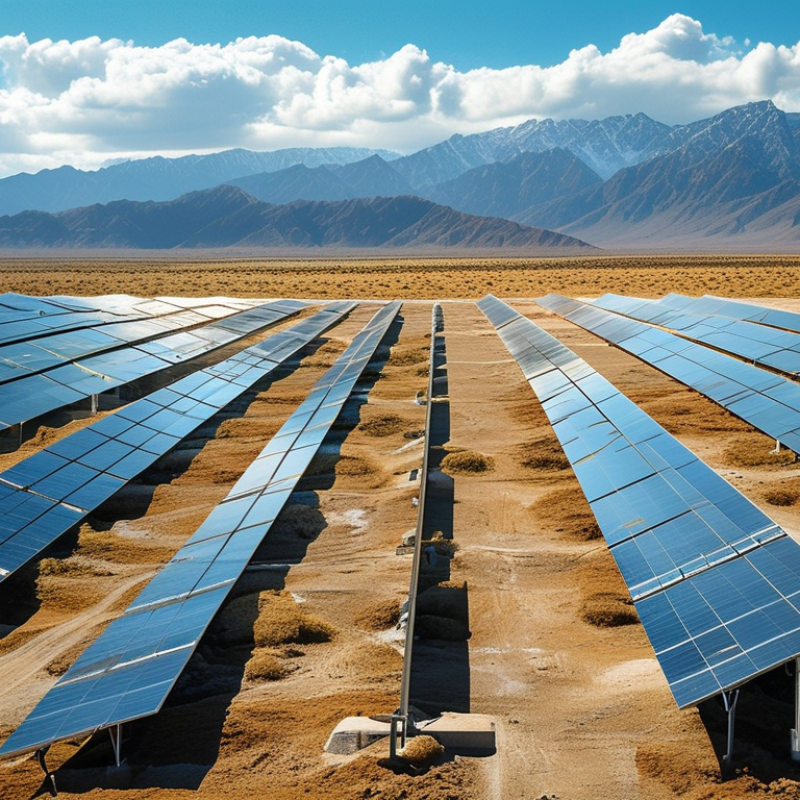
Understanding the Impact of Dust on Solar Panel Efficiency
Dust accumulation on solar panels can greatly reduce their efficiency. When dust settles on panels, it blocks sunlight, leading to lower energy output. Studies show that even a thin layer of dust can decrease efficiency by up to 25%. This is a significant concern, particularly in arid and semi-arid regions where dust storms are common.
Understanding the impact of dust is crucial for maintaining optimal performance. Regular cleaning can help maximize energy production. However, finding the right cleaning methods is essential, as improper techniques can damage the solar panels. For example, using abrasive materials can scratch the surface. Water quality is also a factor; hard water may leave mineral deposits, causing further inefficiencies.
Moreover, assessing your location's dust levels is key. Not all regions experience dust equally. In some areas, dust may accumulate quickly, while others might not face the same issue. Evaluating local environmental conditions can help tailor a cleaning schedule that enhances performance without unnecessary effort. This proactive approach can save time and resources while ensuring your solar panels operate at their best.
Top 10 Tips to Clean Dust Off High Altitude Solar Panels
| Tip No. |
Cleaning Method |
Effectiveness (%) |
Frequency Recommended |
Cost Estimate ($) |
| 1 |
Water and Soft Cloth |
90 |
Monthly |
5 |
| 2 |
Pressure Washing |
85 |
Quarterly |
50 |
| 3 |
Automated Cleaning Robots |
92 |
Bi-annual |
300 |
| 4 |
Squeegee with Water |
80 |
Monthly |
15 |
| 5 |
Dry Brushing |
75 |
Weekly |
10 |
| 6 |
Deionized Water Cleaning |
95 |
Monthly |
20 |
| 7 |
Spray with Eco-friendly Cleaner |
88 |
Monthly |
25 |
| 8 |
UV Protective Coating |
70 |
Annually |
100 |
| 9 |
Manual Scrubbing |
78 |
Weekly |
10 |
| 10 |
Monitor Dust Levels |
N/A |
Ongoing |
0 |
Recommended Frequency for Cleaning High Altitude Solar Panels
When it comes to maintaining high altitude solar panels, understanding the right cleaning frequency is crucial. Dust tends to accumulate quickly in these locations, diminishing the panels' efficiency. Typically, a cleaning schedule every one to three months is recommended, but this may vary based on local conditions. Heavy winds, rain, or nearby construction can increase dust levels significantly.
Monitoring the performance of your solar panels will provide insights into when they need cleaning. If you notice a drop in energy output, it may be time to take action. However, cleaning too often can also be unnecessary. Overzealous cleaning can lead to wear and tear, possibly damaging sensitive components. Striking a balance is key. Local weather and seasonal changes should influence your approach. For example, after a heavy storm, panels might need immediate attention, while in dryer months, longer intervals may suffice.
Additionally, using the right techniques for cleaning is essential. Soft brushes and specialized cleaning solutions can prevent scratches. As you evaluate your cleaning routine, always consider safety. High altitude cleaning poses safety risks, and personal safety measures should never be overlooked. Finding the most effective cleaning frequency and method is a trial-and-error process and requires constant reflection on your practices.
Essential Tools and Equipment for Solar Panel Cleaning
When cleaning high altitude solar panels, having the right tools is essential.
A soft brush with long handles is perfect for reaching elevated surfaces. Make sure the bristles are gentle to avoid scratching the panels. Water-fed pole systems are also effective. They allow for cleaning from the ground without the risk of falling.
Consider investing in a high-quality water filtration system to prevent streaks.
It’s important to assess your surroundings before cleaning. Dust can settle differently based on weather conditions. Wear sturdy gloves for grip and protection.
A squeegee with a rubber blade can help remove water after rinsing the panels. Always have a reliable ladder nearby for those tricky spots.
Having a water source is crucial, especially in dry climates. Keep a hose ready, but avoid high-pressure jets. They may damage the panels. Climbing safety gear, like harnesses, is necessary for high locations.
Reflect on the challenges; accessibility can hinder cleaning. You may need a partner to ensure safety. The right equipment contributes significantly to cleaning efficiency and panel longevity.
Best Practices for Safe Access to High-Altitude Solar Panels
Maintaining high-altitude solar panels requires careful planning for safe access. Working at heights presents unique risks, such as falls or equipment failure. Data from the Occupational Safety and Health Administration (OSHA) indicates that falls account for approximately 33% of construction-related deaths. Therefore, ensuring safe access is crucial for workers.
Using safety harnesses and guardrails can mitigate risks. A study from the National Institute for Occupational Safety and Health (NIOSH) emphasizes that proper training and equipment can reduce accident rates significantly. Workers should be well-trained in handling harnesses and scaffolding, emphasizing best practices for securing ladders and using fall protection systems. Regular inspections of all equipment are essential to maintain safety standards.
The environmental factors at high altitudes also play a role in maintenance. Dust accumulation on panels can reduce efficiency by 20% or more. Understanding how weather conditions, such as wind and humidity, affect dust levels helps in scheduling regular cleanings. Workers should be aware of the specific challenges posed by altitude, including reduced oxygen levels, impacting their performance. Ultimately, a comprehensive safety plan is necessary for effective maintenance of high-altitude solar panels.
Environmentally Friendly Cleaning Solutions for Solar Panels
Cleaning high-altitude solar panels can be challenging. It's crucial to use environmentally friendly solutions to maintain efficiency. Many traditional cleaners contain harsh chemicals that can harm the surrounding ecosystem. Instead, consider using a mix of water and mild soap. This combination effectively removes dust without causing damage.
Another option is to use vinegar. It’s a natural cleaner that can tackle stubborn stains while posing minimal risk to the environment. A mixture of vinegar and water can be sprayed onto the panels and wiped down with a soft cloth. This method is safe and effective.
Regular cleaning schedules can also promote efficiency. Dust accumulation can significantly reduce energy output. For those in windy areas, dust settles quickly. Monitoring your panels’ performance can help identify when cleaning is necessary. However, remember that high-altitude cleaning can be dangerous. Always assess the situation before attempting any maintenance.
Top 10 Tips to Clean Dust Off High Altitude Solar Panels
FAQS
: Dust blocks sunlight, reducing energy output. Even a thin layer can drop efficiency by up to 25%.
Regular cleaning is important, especially in dusty areas. A tailored cleaning schedule helps maintain optimal performance.
Avoid using abrasive materials that can scratch the panels. These can cause damage and decrease efficiency.
Yes, hard water can leave mineral deposits. These deposits may cause further inefficiencies in energy output.
Winds can cause dust to settle quickly. Monitor performance frequently to determine when cleaning is needed.
Yes, a mix of water and mild soap is effective. Vinegar mixed with water is also a natural cleaner option.
Dust accumulation varies by location. Understanding local conditions helps create an efficient cleaning strategy.
High-altitude cleaning can be dangerous. Always evaluate the situation before attempting cleaning or maintenance work.
Traditional cleaners with harsh chemicals can harm ecosystems. Using eco-friendly solutions mitigates this risk.
Monitor your panels’ performance. A noticeable drop in output usually indicates that cleaning is necessary.
Conclusion
Dust accumulation on high-altitude solar panels can significantly reduce their efficiency, making it crucial to implement regular cleaning practices. To address the query, “How to clean dust off high-altitude solar panels?”, it is important to understand the impact of dust on solar energy production. Experts recommend cleaning these panels at least once or twice a year, depending on the local environmental conditions.
Essential tools for cleaning include soft brushes, microfiber cloths, and environmentally friendly cleaning solutions that minimize the ecological footprint. Safety is paramount when accessing high-altitude panels, so utilizing ladders or harnesses and ensuring proper weather conditions are vital best practices. By following these guidelines, you can maintain optimal efficiency and prolong the lifespan of solar panels in high-altitude settings.

 Boray Light