When planning a temporary outdoor setup, many people wonder, "Can I use indoor LED lights for a temporary outdoor setup?" This question often arises when the need for lighting meets the constraints of convenience and availability. Indoor LED lights are popular for their energy efficiency and vibrant illumination. However, transitioning these lights outdoors may pose challenges.
Using indoor lights outside can lead to potential hazards, such as exposure to moisture and extreme temperatures. Most indoor LED lights lack the necessary weatherproofing to endure outdoor conditions. Furthermore, the lifespan of these lights may decrease significantly when exposed to the elements. While it may be tempting to use them for a short time, it's important to consider these factors carefully.
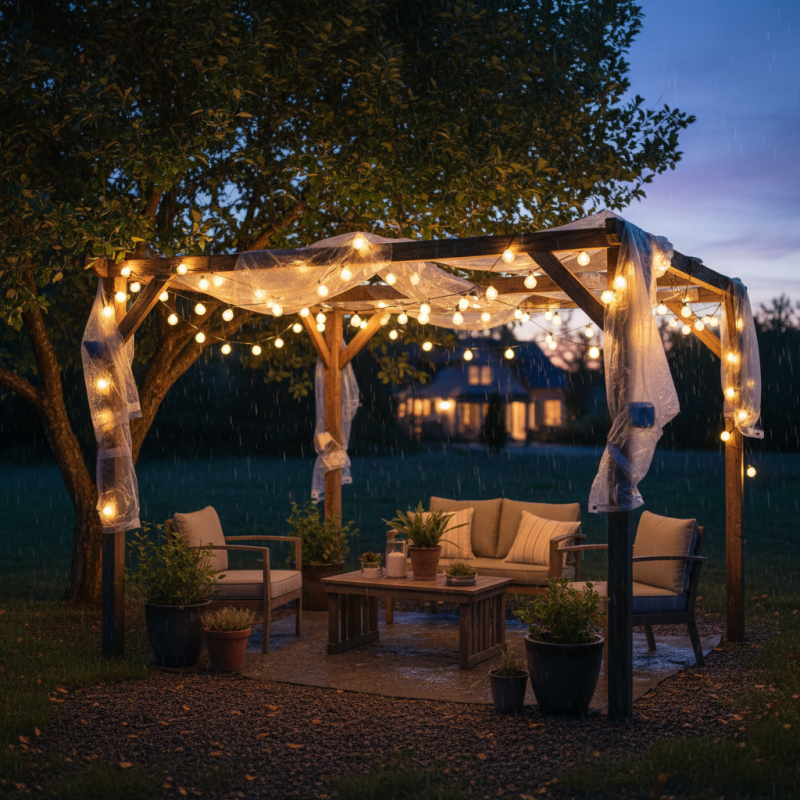
In some cases, you might find a creative solution. If there is minimal exposure to rain or dampness, indoor LED lights might work temporarily. Yet, it’s essential to take precautions, like covering them with a waterproof layer. Ultimately, evaluating the risks and benefits is key. Outdoor environments are unpredictable, and the right lighting can make a difference.
Understanding the Differences Between Indoor and Outdoor LED Lights
When considering temporary outdoor setups, many people wonder if indoor LED lights can suffice. Understanding the differences between indoor and outdoor LED lights is essential. Indoor lights are not designed to withstand moisture, UV rays, or temperature fluctuations. They typically lack the protective casing necessary for outdoor environments, making them susceptible to damage.
Research shows that outdoor LED lights have higher ratings for weather resistance. For example, they often carry an IP65 or higher rating, signifying protection against water and dust. In contrast, indoor lights usually range from IP20 to IP44, which do not offer adequate protection. Utilizing indoor lights outdoors may lead to short circuits or reduced lifespan.
Tip: If you're in a pinch and must use indoor LED lights temporarily outside, avoid direct exposure to rain or sunlight. Create a shelter using tarps or canopies. Additionally, ensure they are unplugged during inclement weather.
Another consideration is energy efficiency. According to industry reports, outdoor LEDs consume about 75% less energy than traditional lighting. While indoor LEDs are also efficient, they are not optimized for outdoor settings. Relying on them outdoors can lead to high costs and low reliability in the long run.
Tip: Use energy-efficient outdoor lights for long-term setups to save money and ensure safety. Always check the specifications before making a purchase, ensuring they’re rated for your intended environment.
Temporary Use of Indoor LED Lights in Outdoor Settings: Is It Safe?
Using indoor LED lights for outdoor setups can seem appealing for short-term use. However, this is not without risks. Indoor LED lights lack the robust insulation needed for outdoor exposure. According to a report by the Lighting Research Center, indoor fixtures are designed to operate safely in controlled environments. When exposed to moisture and varying temperatures, their performance can decline.
Safety is a major concern when using indoor lights outside. The National Electrical Manufacturers Association notes that different lighting types undergo rigorous testing before being marketed. Indoor lights may fail to meet the same standards required for outdoor use. Overheating can result, especially if exposed to rain or direct sunlight. Additionally, there is a risk of electric shock if water seeps into the light fixture.
While many people use indoor lights for temporary situations, this practice can lead to unforeseen issues. Some users report flickering or dimming over time when lights are placed outdoors. Others experience shorter lifespans than expected. Reflecting on these experiences, it’s clear that using indoor lights outside—even temporarily—comes with significant safety and performance concerns.
Can I Use Indoor LED Lights for Outdoor Setup Temporarily? - Temporary Use of Indoor LED Lights in Outdoor Settings: Is It Safe?
| Aspect |
Indoor LED Lights |
Outdoor LED Lights |
| Weather Resistance |
Not designed for rain or moisture exposure |
Designed to withstand rain and humidity |
| Safety Ratings |
Typically rated for indoor use only |
Rated for outdoor use; meets safety standards |
| Heat Resistance |
May overheat in high outdoor temperatures |
Built to handle a wider range of temperatures |
| Duration of Use |
Short-term use only recommended |
Designed for prolonged outdoor use |
| Cost |
Generally less expensive |
Higher initial cost but safer & more durable |
Impact of Weather Conditions on Indoor LED Light Performance Outdoors
Weather conditions significantly affect the performance of indoor LED lights used outdoors. Many people consider this option for temporary setups. However, the results may vary based on environmental factors. Research indicates that high humidity levels can lead to moisture accumulation in LED fixtures. This moisture can diminish their lifespan by up to 20%.
Additionally, temperature extremes can impact the brightness and color accuracy of these lights. In cold conditions, LED lights may not reach their optimal brightness. Conversely, excessive heat can cause overheating issues, leading to potential malfunctions. According to industry reports, operating temperatures exceeding 100°F can reduce efficiency by about 30%. This jeopardizes the intended lighting effect for outdoor events.
When using indoor LEDs outdoors, pay attention to these aspects. Even a short exposure to rain can cause significant damage if the lights lack proper sealing. Users should remember that temporary solutions require caution. Ultimately, while it is possible to use indoor LED lights outdoors, one must be mindful of the risks involved. Make informed decisions based on the weather forecast and specific lighting needs.
Manufacturer Guidelines and Ratings for LED Lights' Outdoor Use
When it comes to using indoor LED lights outdoors temporarily, it's crucial to refer to manufacturer guidelines. Not all LED lights are made for outdoor conditions. Many indoor models lack the necessary protection against moisture, heat, and UV exposure. Regular indoor lights may have shorter lifespans when exposed to the elements. Therefore, checking the specifications is essential before making a decision.
Tips: Always look for the IP rating on the packaging. An IP rate of 65 or higher indicates good protection against moisture and dust. Additionally, consider the temperature range specified by the manufacturer. Indoor lights might overheat in the direct sun.
Some indoor LED lights may function outdoors for short periods. However, this can lead to unpredictable outcomes. The risk of damage from rain or condensation is significant. If you choose to use them outside, consider using a temporary shelter. This will help protect the lights from unexpected weather changes. Remember, not all temporary setups are created equally. Think about potential risks before proceeding.
Best Practices for Using Indoor LED Lights in Temporary Outdoor Installations
When considering using indoor LED lights outdoors temporarily, safety and functionality should be your priorities. Indoor LED lights often lack the necessary weatherproofing for outdoor conditions.
Rain or humidity can lead to electrical failures. Therefore, ensure that your indoor lights are kept dry and away from direct exposure to the elements whenever possible.
Setting up indoor lights outside can create a cozy atmosphere. If you go this route, consider using extension cords rated for outdoor use. They provide extra protection against the elements.
Position lights in areas sheltered from wind and rain. Additionally, avoid overcrowding the circuit to prevent overheating. Planning your setup carefully will improve safety and enhance the overall ambiance.
Be aware that many indoor LED lights are not designed for extreme temperatures. They can become less efficient or even fail in harsh conditions. Regularly inspect your lights for damage and ensure they remain functional throughout your use.
A temporary setup can be fun, but it requires consideration and caution to ensure a safe and enjoyable experience.
FAQS
: Yes, but it’s risky. Indoor lights aren’t designed for moisture or temperature changes.
Indoor lights lack protective casings, making them less resistant to weather elements.
Outdoor lights typically have IP65 or higher, while indoor lights range from IP20 to IP44.
Yes. They can short circuit, especially in rain or direct sunlight.
If you must, shield them from rain and sunlight using tarps. Unplug when not in use.
Yes, outdoor LEDs can save about 75% more energy than traditional lighting options.
You may face higher costs and low reliability. Lifespan may also shorten quickly.
No. Moisture exposure can lead to overheating and electric shock risks.
Flickering often occurs due to inadequate insulation. They aren’t built for such conditions.
Always verify the specifications to ensure they are rated for outdoor environments.
Conclusion
The question "Can I use indoor LED lights for a temporary outdoor setup?" arises from the need for flexible lighting solutions in various outdoor scenarios. While indoor LED lights might seem convenient for short-term use outside, it's essential to understand the distinctions between indoor and outdoor lighting. Indoor LED lights are not designed to withstand outdoor elements, making their performance potentially unsafe in various weather conditions.
When using indoor LED lights outdoors, it's crucial to consider the impact of environmental factors such as moisture, temperature fluctuations, and UV exposure, which can affect their functionality. Always adhere to manufacturer guidelines and ratings to ensure safety. For those seeking to use indoor LEDs outside temporarily, aiming for designated precautions and following best practices can help mitigate risks and ensure a satisfactory setup.

 Boray Light