Engineered for maximum thermal dissipation, luminous efficiency, and long-term durability in challenging commercial conditions.
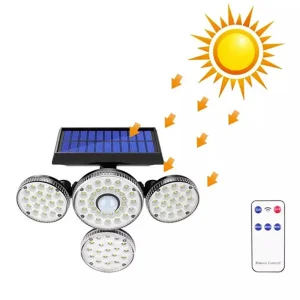
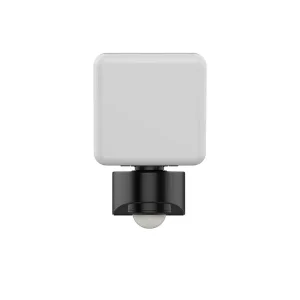
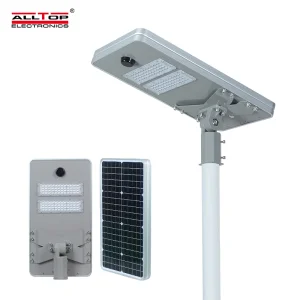
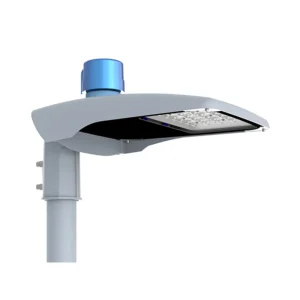
Positioned at the heart of China's premium lighting manufacturing corridor in Yangzhou, Jiangsu Province, Yangzhou Boray Light Co., Ltd. has established a legacy of engineering excellence in solid-state lighting and off-grid solar tech.
For over a decade, we have consolidated R&D, precision manufacturing, and international supply chain solutions to cater to infrastructure projects, municipal deployments, and heavy industrial facilities globally. By manufacturing critical path components in-house—including custom high-efficacy driver architectures and optimized structural thermal management designs—we ensure that every luminaire meets strict international safety, photometric, and energy codes.
Our approach blends theoretical engineering with localized performance. We realize that high-efficacy low bay fixtures require more than just raw lumens; they demand optimized glare indices (UGR), superior color rendering index (CRI) options, and high energy savings indices to offer a high return on investment (ROI).
How technical advancements in solid-state emitters, drivers, and optics are transforming low-ceiling industrial operations.
Early-generation LED fixtures topped out at 100 lm/W. Today, the industry standard has surged past 150 lm/W to 180 lm/W. Achieving this level of efficacy minimizes active electrical loads, allows facilities to utilize smaller wiring gauges, and satisfies strict utility rebate thresholds.
Mounting fixtures below 20 feet (approx. 6 meters) brings light sources closer to the human field of view. Modern low bay design relies heavily on optical diffusing materials, micro-prismatic optics, and structured reflectors to reduce UGR levels below 19, maximizing worker comfort and productivity.
Low bays are evolving into connected physical nodes. Integrating standardized Zhaga books and DALI-2 protocols enables seamless interoperability with IoT frameworks. Modern fixtures now leverage daylight harvesting, motion occupancy tracking, and localized ambient monitoring.
For industrial buyers, architectural planners, and engineering firms, evaluating a vendor extends far beyond unit costs.
Industrial and municipal scale buyers prioritize lighting systems that minimize total cost of ownership (TCO). This calculation factors in the initial purchase price, power consumption, installation speed, maintenance lifecycle, and decommissioning costs.
At Yangzhou Boray Light, we streamline procurement workflows by manufacturing vertically integrated sub-assemblies. From driver boards to extruded aluminum housings, we manage critical manufacturing paths. We maintain deep inventory levels of highly requested items, such as integrated solar lights, 80W high-efficiency solar panels, and 6-meter steel poles. This supply chain redundancy helps prevent project delays.
Customizing optical footprints, environmental coatings, and emergency backups to target distinct operational settings.
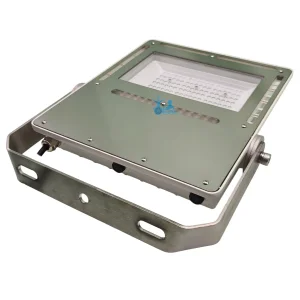
Standard luminaires quickly corrode and fail when exposed to salt mist and coastal humidity. Our custom marine-grade floodlights feature marine-grade coatings, ADC12 aluminum housings, and 316-grade stainless steel mounts to withstand harsh coastal conditions.
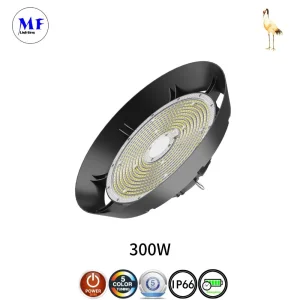
Low bay structures in modern distribution centers face rapid temperature swings, moving forklift traffic, and narrow racking configurations. Our low bays maintain stable light output across wide temperature variations.
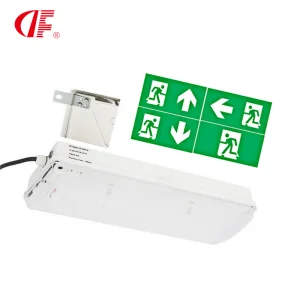
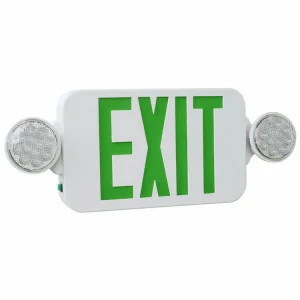
Sudden main grid outages present safety risks to floor personnel. We build SAA-certified self-contained emergency luminaires featuring high-temperature battery chemistry, smart trickle charging, and automatic self-diagnostic modules.
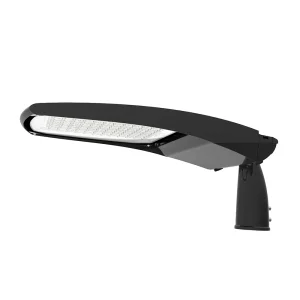
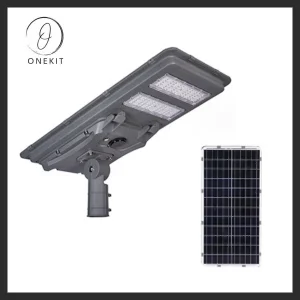
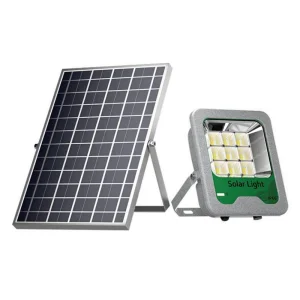
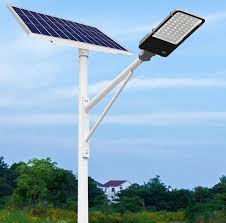
For rural properties, outdoor perimeters, and remote parking lots, connecting to the main electrical grid is often cost-prohibitive. We engineer split and all-in-one solar street luminaires integrated with high-capacity storage packs.
Our commitment to continuous improvement ensures we remain at the forefront of green industrial lighting technology.
Our team is developing tunable-white low bay systems that dynamically shift spectral distribution from warm amber to cool daylight. This technology supports natural circadian rhythms, improving alertness and focus in multi-shift operations.
To reduce operational carbon footprints, we are testing low bays powered by localized solar setups, utilizing smart power delivery grids to manage off-grid battery arrays.
We are incorporating bio-based polymers and highly recyclable thermal composites into our luminaire bodies. This shift reduces lifecycle carbon footprints while maintaining excellent impact strength and IP ratings.
Engineering lighting solutions to meet strict global certification and safety regulations.
Fully compliant with Australian electrical safety and performance standards for reliable project implementation.
Certified to meet European health, safety, and environmental protection directives.
Engineered to prevent dust and heavy water ingress, ensuring reliable outdoor and industrial operation.
Designed with high-impact resistant housings to protect against physical damage in industrial zones.
Essential guidance on choosing the right low bay fixtures, calculating ROI, and matching certifications to site requirements.
To ensure reliable performance in challenging environments, our engineering team uses industry-standard modeling software, including TracePro, Pro/E, and DIALux. This digital modeling process allows us to predict thermal distribution, evaluate optical performance, and optimize light patterns before tooling begins.
We collaborate with universities and research institutions to keep pace with developments in LED emitters, driver reliability, and solar power integration. Every product undergoes testing for thermal stability, ingress protection, impact resistance, and electromagnetic compatibility.
Our key management team, including our Plant Manager, R&D Manager, and International Sales Director, have each been with Boray Light for over ten years. This stability supports consistent quality control and helps maintain long-term partnerships with our clients.
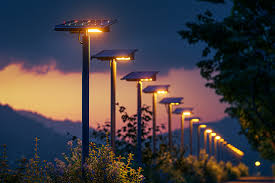
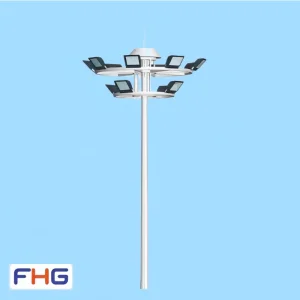
Specialized solutions for municipal roadway layouts, parking areas, marine facilities, and stadium projects.
 Boray Light