Morocco is undergoing a monumental shift in its urban infrastructure. As a gateway between Africa and Europe, the Kingdom has pioneered the "Plan Maroc Vert" and the National Energy Strategy, aiming to source over 52% of its energy from renewables by 2030. Within this framework, Smart City Sensor Lighting has become a cornerstone of municipal development in major hubs like Casablanca, Rabat, Marrakech, and Tangier.
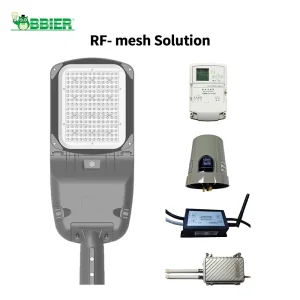
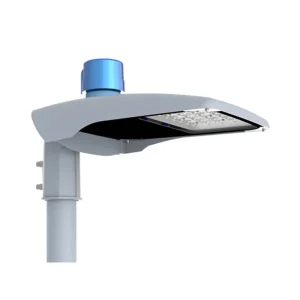
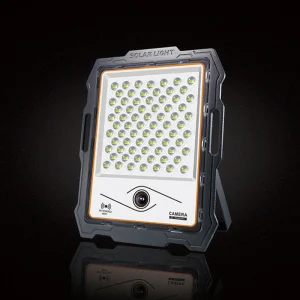
The demand for a reliable Smart City Sensor Lighting Manufacturer in Morocco is skyrocketing. Local municipalities are no longer looking for simple illumination; they are seeking integrated IoT platforms. Sensors that detect ambient light levels (Photocells), motion-sensing for energy conservation, and integrated CCTV for urban security are now standard requirements for Moroccan public tenders.
Morocco's industrial sector is favoring manufacturers who can provide high-durability products capable of withstanding the diverse climate—from the salty Atlantic humidity in Agadir to the intense Saharan heat. Factories supporting the Morocco market must adhere to IMANOR (Institut Marocain de Normalisation) standards, ensuring safety and performance.
The trend is moving toward Zigbee and LoRaWAN wireless controls. Morocco's "Smart Casablanca" initiative emphasizes data collection. Sensors in street lights are now being used to monitor air quality and traffic patterns, turning light poles into "smart nodes" of the urban ecosystem.

 Boray Light