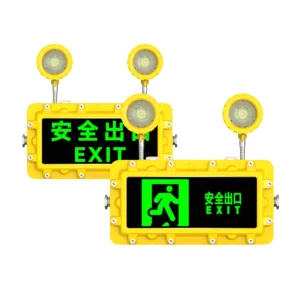
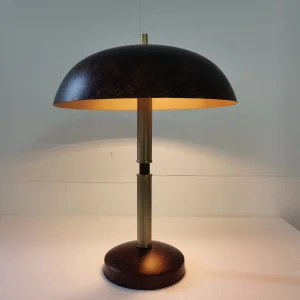
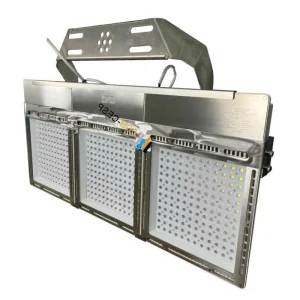
Engineered for architectural, commercial, and explosive-hazard environments with integrated sensor platforms.
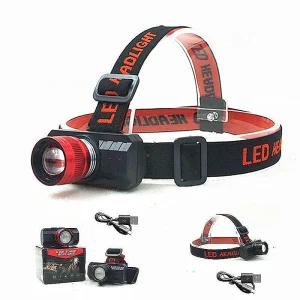
B2B Frameworks, Quality Controls, and Supply Chain Insights in Motion-Activated Security Lighting Manufacture.
Modern commercial infrastructure demands security systems that are both preventive and energy-efficient. Motion-activated security lighting acts as a core structural element in industrial perimeters, urban environments, and offshore structures. B2B procurement professionals must recognize that "motion activation" is no longer just a passive Passive Infrared (PIR) switch; it is a highly integrated technology stack comprising microwave radar, IoT photocells, and AI-driven smart controllers.
By leveraging advanced optical design and semiconductor engineering, leading exporters from Chinese hubs like Yangzhou offer high-density luminaires that minimize power usage while delivering rapid sensor response times, critical for risk mitigation and asset protection.
An Authoritative Manufacturer & Exporter of LED & Solar Infrastructure Solutions
Located in Yangzhou, Jiangsu Province—one of China's premier lighting manufacturing hubs—Yangzhou Boray Light Co., Ltd. was founded over a decade ago. Over the years, Boray Light has grown into a highly professional manufacturer and supplier specializing in LED lighting and solar solutions, serving clients worldwide with innovative, energy-efficient products.
Boray Light integrates R&D, production, sales, and service. With a self-owned modern factory, complete production lines, and advanced testing equipment, the company is dedicated to delivering high-quality and reliable lighting solutions. Our products are widely applied in municipal projects, road and landscape lighting, industrial facilities, and residential spaces.
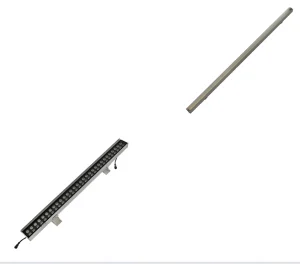
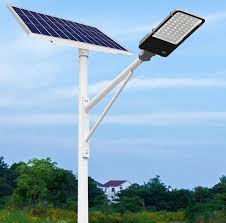
Boray Light designs and manufactures a comprehensive range of LED and solar lighting products. Our outdoor solutions include LED street lights, solar street lights (both all-in-one and split-type), garden lights, landscape illumination, floodlights, and solar security systems.
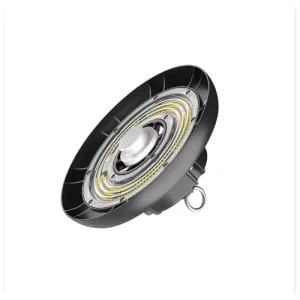
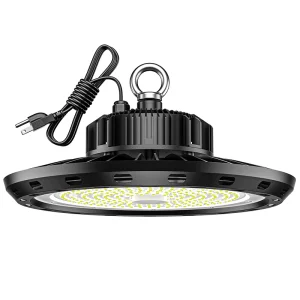
For indoor applications, we produce LED bulbs, tubes, panels, downlights, and flexible LED strips, providing energy-efficient lighting for homes, offices, and commercial spaces. In industrial and specialized environments, we supply high bay lights, task lighting, and professional-grade solutions, complemented by essential accessories such as lighting poles and installation brackets.
Our R&D team, composed of experienced engineers and industry professionals, keeps pace with the latest developments in LED and solar technology. We provide professional lighting design support using advanced tools such as TracePro, Pro/E, and DIALux.
Boray Light maintains close collaboration with universities and research institutions to continuously drive innovation and improve product performance. Every product is developed with strict attention to detail, from material selection and optical consistency to packaging and delivery, ensuring reliable performance and long-term durability.
Boray Light offers a unique combination of high-quality products, competitive pricing, and reliable service. Our integrated supply chain—including LED chips, drivers, housings, batteries, and solar panels—ensures product stability and timely delivery.
Key management personnel, such as our plant manager, R&D manager, and international sales manager, have each worked in the company for over ten years, providing professional expertise and continuity. We also maintain stock for popular items such as integrated solar street lights, 80W solar panels, and 6-meter lighting poles, enabling fast and efficient delivery for urgent projects.
At Yangzhou Boray Light Co., Ltd., we are committed to providing sustainable, energy-saving, and high-performance lighting solutions. Guided by the principles of "Quality First, Customer Foremost, Innovation Driven," we aim to create long-term value for our global partners while contributing to a greener future.
Why leading industrial brands source and develop their motion sensor lighting programs within China's key manufacturing clusters.
In regions like Jiangsu and Zhejiang, all core components of a motion sensor light—including optical lenses, aluminum die-cast housings, high-efficiency PCB assemblies, and sensor control modules—are produced within a 50km radius. This geographic concentration reduces logistical lead times and facilitates collaborative development during custom OEM/ODM phases.
Chinese factories are at the forefront of combining energy-efficient LEDs with microwave sensor technologies, daylight sensors, and intelligent wireless communication protocols like Zigbee, LoRa, and NB-IoT. This integration creates security systems that respond intelligently to ambient environmental conditions rather than just simple movement.
Large manufacturing footprints allow for automated testing lines, integrating sphere evaluations, and high-precision goniophotometer tests. High-throughput automation ensures that export products meet strict international standards, including CE, RoHS, UL, and ATEX certifications, at optimal cost thresholds.
Selecting the appropriate sensor technology based on environmental factors, range requirements, and operational safety needs.
For B2B buyers designing security perimeters, sensor choice is critical. PIR sensors operate by detecting thermal differentials within their field of view. They are highly effective for close-range detection, residential security, and minimizing false triggers from wind-blown trees or falling rain.
Microwave sensors, on the other hand, emit high-frequency electromagnetic waves and measure the echoes reflected back. This active detection method is superior for harsh weather conditions, heavy wind, and broad commercial sites, and can even penetratively detect motion through non-metallic walls and covers.
Municipalities and utility projects now require motion-activated fixtures to include standardized sockets. A 7-Pin NEMA or Zhaga Book 18 interface allows for plug-and-play installation of daylight sensors, node controllers, and motion detection arrays.
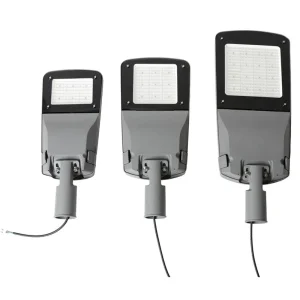
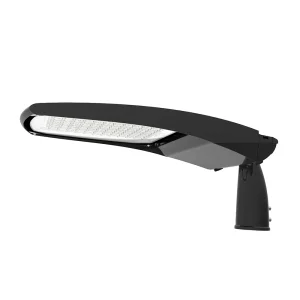
This allows asset managers to retrofit existing lights without replacing entire fixtures when upgrading their centralized management systems (CMS). Our latest smart sensor street lights support these interfaces, future-proofing municipal road lighting networks.
How distinct industries utilize high-efficiency motion sensor lighting to solve security, safety, and energy challenges.
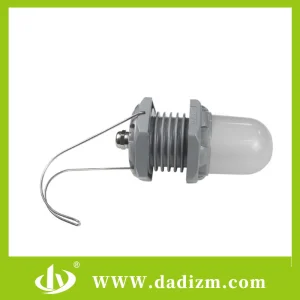
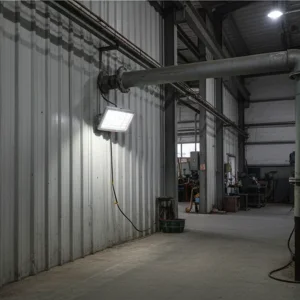
Petrochemical plants, oil refineries, and chemical warehouses require reliable safety features. Standard motion sensors can spark, posing a hazard in areas with flammable gases or dust. Our ATEX-certified, explosion-proof fixtures use spark-resistant, hermetically sealed sensor modules to provide motion-activated safety lighting in Class I Division 2 hazardous locations.
Constant salt spray, moisture, and extreme temperatures quickly degrade standard outdoor lighting. For commercial vessels, docks, and offshore oil platforms, we manufacture IP68-rated and corrosion-resistant solid brass and high-purity aluminum fixtures. Integrated photocells and motion detectors allow units to remain in energy-saving modes until activity is detected.
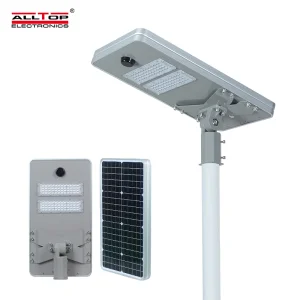
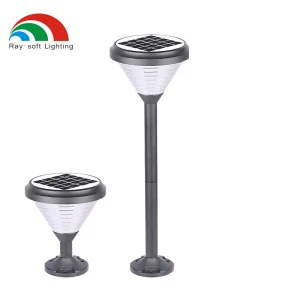
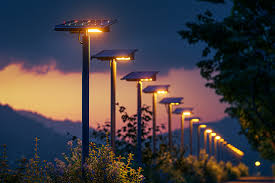
Modern cities require public lighting that balances safety and sustainability. Smart solar street lights and solar bollard lights with motion sensors reduce ambient light pollution. By operating at a dimmed level (e.g., 20% output) and ramping up to full brightness upon detecting pedestrians or vehicles, cities can save up to 70% in energy compared to traditional static systems.
Technical answers from our engineering team to assist global B2B buyers with importing, compliance, and application inquiries.
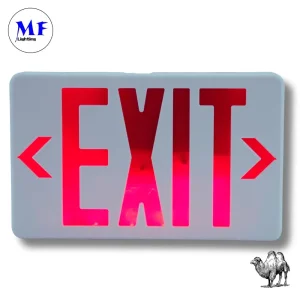
From solar-powered streetlights to hazardous-area indicators, we supply engineered security solutions for diverse applications.
 Boray Light