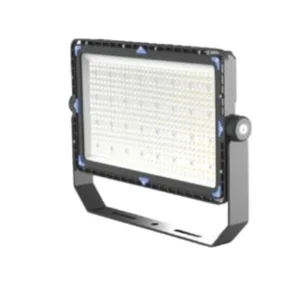
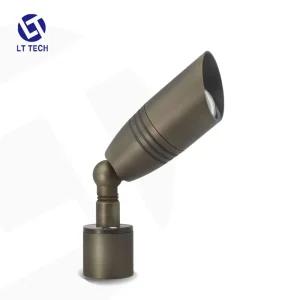
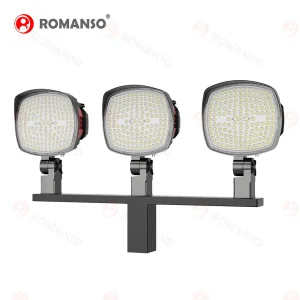
In the modern industrial era, remote head emergency lighting has transitioned from a regulatory "checkbox" to a critical component of smart infrastructure. Unlike integrated units, remote head systems utilize a centralized battery source to power multiple lamps, reducing maintenance overhead in high-ceiling environments like warehouses and stadiums.
Global standards such as UL 924, NFPA 101, and EN 60598-2-22 are becoming more stringent. China’s leading manufacturers, including Yangzhou Boray Light Co., Ltd., are now integrating self-diagnostic AI chips that predict battery failure before it occurs, ensuring 100% compliance during fire inspections.
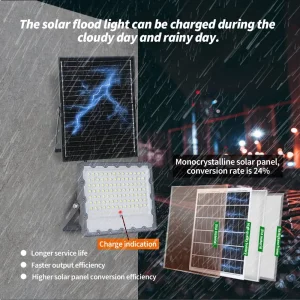
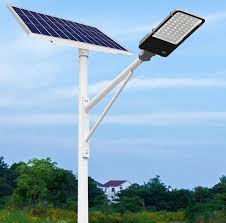
The push for Net Zero has accelerated the adoption of Solar-Linked Emergency Systems. By decoupling the light head from the driver, engineers can now place panels in optimal sunlight while keeping the emergency illumination exactly where life safety requirements dictate.
Yangzhou Boray Light Co., Ltd. is strategically located in Yangzhou, Jiangsu Province—China’s premier lighting manufacturing hub. Founded over a decade ago, Boray Light has evolved into a global titan of LED and solar innovation. Our facility is a beacon of precision engineering, integrating R&D, production, and rigorous quality testing.
With a leadership team boasting 10+ years of tenure, we offer unparalleled continuity and expertise in the lighting export sector. We don't just sell products; we provide engineered reliability for municipal projects, industrial complexes, and commercial real estate across Southeast Asia, Europe, and the Americas.
The future lies in DALI-2 and Zigbee-enabled emergency lighting. Our roadmap includes cloud-based monitoring where facility managers can perform remote discharge tests and receive real-time status updates via mobile apps.
Transitioning from Lead-Acid to Lithium Iron Phosphate (LiFePO4). This provides longer lifecycles (up to 10 years), higher thermal stability, and a smaller footprint for remote head driver units.
Modular LED engines allow for easy upgrades. As LED efficiency improves, customers can swap "light engines" without replacing the entire housing, significantly lowering the total cost of ownership (TCO).
Developing SS316 stainless steel brackets and IP67/IP69K enclosures for offshore platforms and chemical plants where corrosion resistance is paramount.
| Application Sector | Specific Lighting Need | Recommended Boray Solution |
|---|---|---|
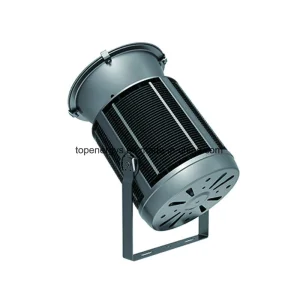
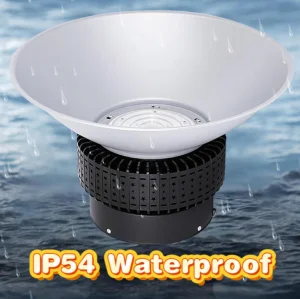
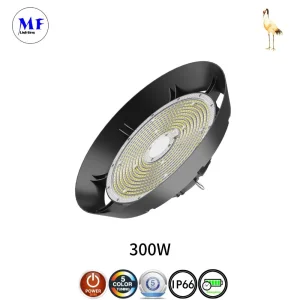
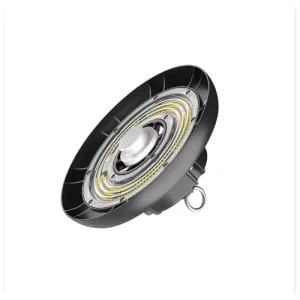
| Logistics Hubs | High-ceiling illumination with 3-hour backup | 100W-200W UFO High Bay with Emergency Driver |
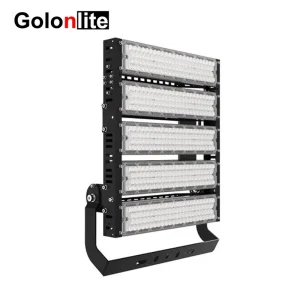
| Sports Stadiums | Instant-on capability after power dips | 500W-1500W High Mast with DMX Control |
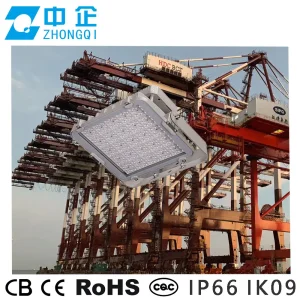
| Marine & Offshore | Corrosion resistance (Salt spray test) | Industrial Grade 100W SS316 Floodlight |
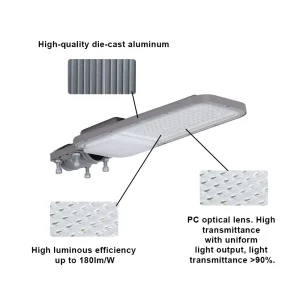
| Smart Cities | Photocell automation & Solar power | Integrated Smart City Roadway Streetlights |
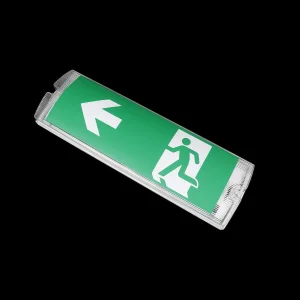
Custom R&D Integration: Boray Light provides more than off-the-shelf products. We utilize TracePro and DIALux to simulate lighting environments for municipal clients. Our engineers can calculate the exact lux levels required for emergency egress paths, ensuring no dark spots during critical failures.
Supply Chain Integrity: Our unique position in the Yangzhou lighting cluster allows us to control the entire bill of materials (BOM). From LED chips to solar panels and aluminum housings, every component is vetted. This integrated supply chain is why we maintain stock of 6-meter poles and 80W solar panels for immediate dispatch.
For large-scale stadium projects, we offer Dali-controlled systems that synchronize emergency lighting with standard sports lighting. This reduces the complexity of electrical wiring and ensures that in a power outage, the high-mast lamps immediately switch to their secondary power source without the "warm-up" time characteristic of old metal halide lamps.
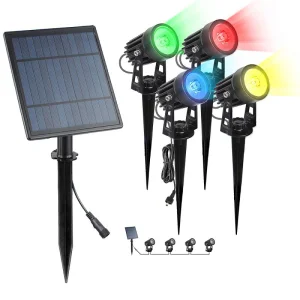
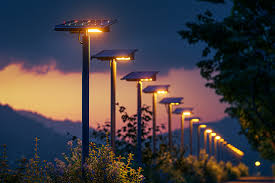
Our commitment to a Greener Future is reflected in our solar energy storage units. By combining high-efficiency monocrystalline panels with smart MPPT controllers, we provide off-grid lighting solutions that are completely self-sufficient, perfect for remote roadways and rural developments where grid expansion is cost-prohibitive.
 Boray Light