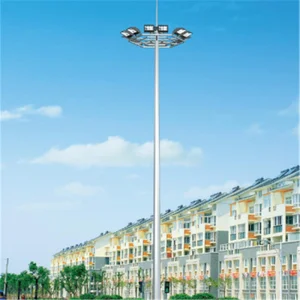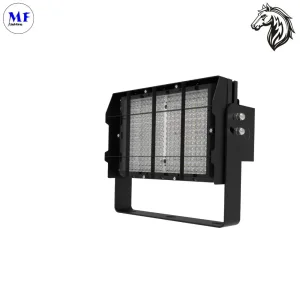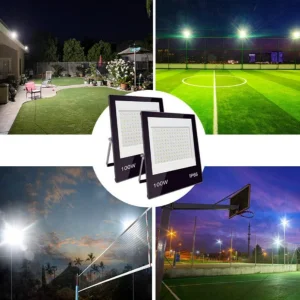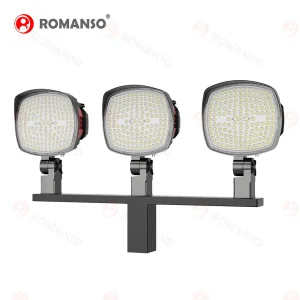
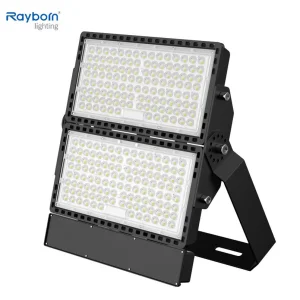
As Brisbane and the wider Queensland region prepare for the monumental task of hosting the Brisbane 2032 Olympic and Paralympic Games, municipal infrastructure, sporting hubs, and logistics gateways are undergoing an unprecedented technological overhaul. The demand for highly efficient, reliable, and standardized outdoor lighting has reached critical heights. Professional high-mast lighting is no longer just about raw lumen output; it requires precision structural engineering, energy conservation compliance, and smart city connectivity.
From major sporting complexes like The Gabba and QSAC to the sprawling logistics zones of the Port of Brisbane and Brisbane Airport, high-mast illumination serves as a baseline necessity for 24/7 productivity and public safety. Queensland's sub-tropical climate, characterized by scorching summer heat waves, high humidity, and coastal salt-spray corrosion, demands luminaires engineered with exceptional thermal management and marine-grade protective coatings.
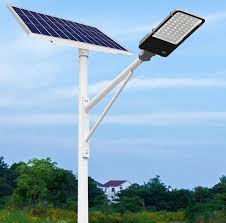
Deploying high-mast structures in Australia requires strict adherence to localized electrical, optical, and structural engineering codes. As a primary exporter to the Australian market, we guarantee that all high-mast solutions strictly comply with the following essential standards:
Our luminaires are photometrically optimized to meet vehicular traffic and pedestrian visibility requirements, reducing glare while maintaining maximum uniformity across expansive zones such as freight terminals, interchanges, and parking structures.
Whether designing lighting for local community sports fields or elite televised arenas, our products support specific lux distribution profiles, color rendering indexes (CRI > 80, TLCI > 80), and glare rating limits (GR < 40) required for HD broadcasting and athlete visual comfort.
With Brisbane's dense urban footprint and commitment to environmental preservation, controlling spill light is critical. Our asymmetric optics ensure light is directed precisely where needed, avoiding unwanted light spill into surrounding residential areas or ecologically sensitive wildlife corridors.
Brisbane and coastal Queensland fall within designated wind regions requiring structures to withstand high gust velocities. Our high-mast steel poles (Q355 grade hot-dip galvanized steel) are engineered to pass rigorous structural FEA (Finite Element Analysis) for Australian wind load ratings.
Located in Yangzhou, Jiangsu Province—one of China’s preeminent lighting manufacturing clusters—Yangzhou Boray Light Co., Ltd. operates a modern, fully integrated production facility spanning research and development, die-casting, electrostatic powder coating, optical lens molding, and final product assembly. By controlling our supply chain vertically—including chip sourcing, custom driver design, and solar cell manufacturing—we minimize intermediary margins, providing Australian clients with premium performance at highly competitive price points.
Our design office utilizes industry-standard tools like TracePro, Pro/E, and DIALux to generate detailed photometric files (.ies and .ldt format) for electrical consultants and lighting designers. This means Brisbane project managers receive accurate calculations before any metal is cut or shipped, eliminating field installation errors.
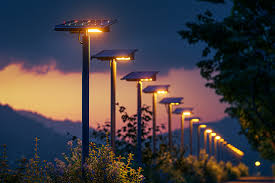
The outdoor lighting landscape is shifting rapidly from static illumination to intelligent, adaptive systems. The primary driver of this evolution is the integration of DALI-2 and DMX512 controls into high-power high-mast luminaires. This technology allows stadium operators to dynamic-dim lights based on activities, run light shows synchronized with audio during games, and drastically lower energy consumption during non-televised training sessions.
Furthermore, thermal engineering has taken center stage. As LED chips run hotter at higher wattages, advanced heat-dissipation techniques—such as phase-change materials and hollowed aerodynamic housings—ensure the junction temperature remains below 85°C. This maintains the L70 lifetime of the chips past 100,000 operational hours, drastically reducing maintenance costs in high-altitude installations.
Another key development is the hybrid solar-grid high-mast system. In regions like Queensland, where sunlight is abundant, integrating high-efficiency monocrystalline solar panels with local lithium battery storage reduces daytime grid draw. These smart-grid systems store clean energy during the day and discharge it during evening sports events, helping local athletic clubs achieve their sustainability targets.
Providing flicker-free LED high-mast arrays for rugby, soccer, and cricket fields across Brisbane suburbs. Equipped with asymmetric lens kits to comply with AS 4282 residential spill light regulations.
Corrosion-resistant IP66/IP67 high masts (up to 35 meters) with marine-grade C5-M anti-saline coatings, ensuring uninterrupted loading and container handling under harsh coastal conditions.
High-output, low-glare luminaires designed specifically for aviation security and operations, meeting strict ICAO Annex 14 requirements for pilot and ground crew safety.
Long-range optical systems that deliver uniform horizontal and vertical illuminance on heavy rail yards and highways, reducing blind spots and enhancing security.
When specifying high-mast LED fixtures for municipal tenders or private contracts in Australia, engineering departments should carefully evaluate these key technical specifications:
Older generations of LEDs operate at 110-120 lm/W. Our newer ranges achieve up to 160 lm/W. Choosing a higher efficacy module means you can reduce the specified fixture wattage (e.g., swapping a 1000W older fixture for a 750W high-efficiency system) while maintaining the same lux on the ground.
Brisbane is prone to severe electrical storms and lightning strikes. Stadium lighting poles act as lightning rods. A robust driver package must include a secondary 10kV to 20kV SPD to protect the sensitive driver electronics from line surges.
High-mast lights installed at 20-30 meters require specialist boom lifts for maintenance, which can cost thousands of dollars per day. Specifying lowering gear systems or utilizing high-reliability drivers with MTBF (Mean Time Between Failures) > 50,000 hours keeps lifetime maintenance budgets manageable.
For elite arenas host to televised sport, a CRI of Ra > 70 is insufficient. Modern broadcast standards require a CRI of Ra > 80, along with a high TLCI (Television Lighting Consistency Index) to prevent flicker when slow-motion cameras are utilized.
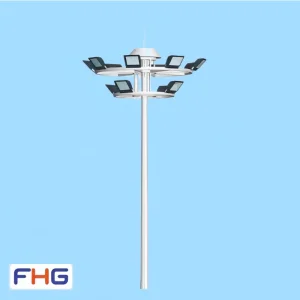
Contact our engineering team today for technical support, request a DIALux simulation layout for your site, or obtain custom pricing and lead time specifications for your next stadium development project.
Send Inquiry Now Boray Light