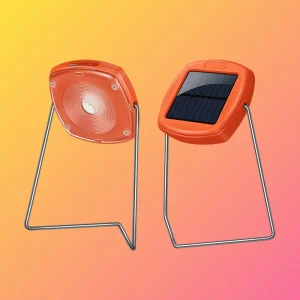
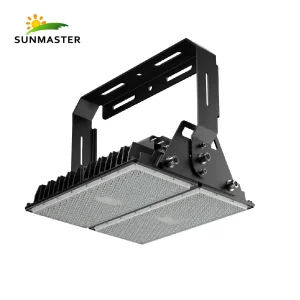
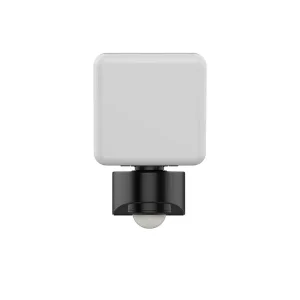
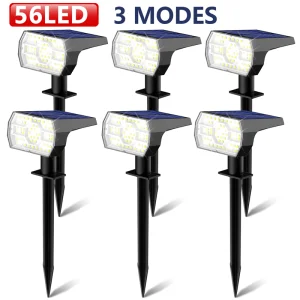
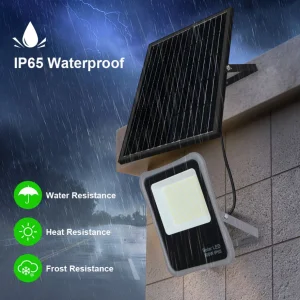
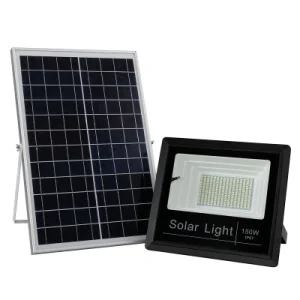
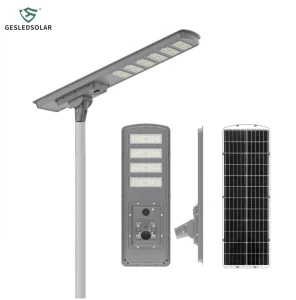
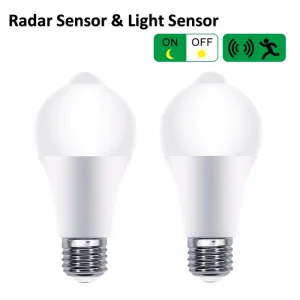
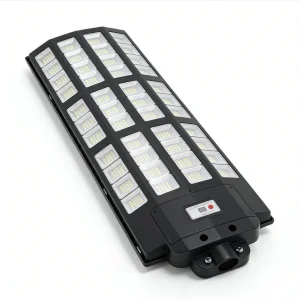
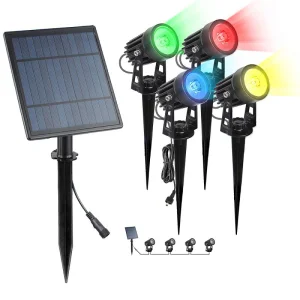
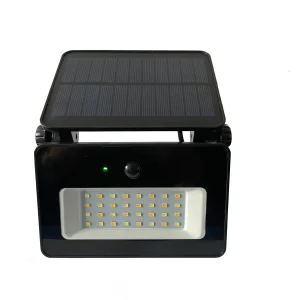
The Republic of the Marshall Islands (RMI), characterized by its sprawling 29 atolls and 5 isolated islands, presents one of the most challenging environments globally for outdoor electronic infrastructure. As a leading manufacturer, Yangzhou Boray Light Co., Ltd. understands that motion sensor security lights in this region are not just "amenities"—they are critical components of public safety and infrastructure protection.
Marine Grade Corrosion Resistance
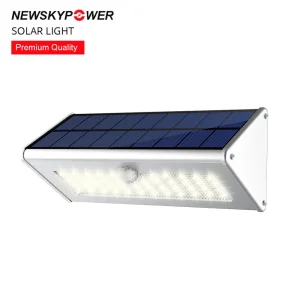
Solar Autonomy Potential
Protection Against Tropical Storms
The economic pulse of the Marshall Islands, centered in Majuro and Ebeye, is shifting towards sustainable energy. With electricity costs among the highest in the Pacific, government initiatives (RMI National Energy Policy) are aggressively pivoting toward solar-integrated security solutions. Our motion sensor lights serve three primary local segments:
International procurement agents for Micronesian projects now prioritize "Information Gain"—meaning they seek data on longevity and material science over simple price points. Globally, the demand is moving toward Adaptive Intelligence. This means sensors that can distinguish between a palm frond swaying in the trade winds and a human intruder. Our latest AI-integrated PIR (Passive Infrared) algorithms are specifically tuned for tropical movement patterns.
The Coastal Resilience Initiative: Boray Light has developed a technical roadmap specifically for high-salinity environments. Our 2024-2025 product line incorporates Anodic Oxidation treatments and 316-grade stainless steel hardware to prevent the "rust-out" effect common in Majuro within 6 months of installation.
Integration of LiFePO4 batteries with >2000 cycle life, capable of surviving the heat of the Marshallese sun without thermal runaway.
Dual-technology sensing (PIR + Microwave) to eliminate false triggers caused by tropical rainfall and humidity fluctuations.
Smart city integration for Majuro, allowing security lights to act as nodes for environmental monitoring and data relay.
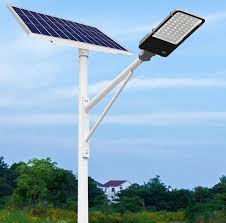
Yangzhou Boray Light Co., Ltd. is a cornerstone of the Yangzhou lighting cluster in Jiangsu Province. With over a decade of specialization, we have transitioned from a traditional manufacturer to a high-tech R&D leader in solar-motion integration. Our presence in the Marshall Islands market is defined by our commitment to E-E-A-T principles—ensuring every unit shipped is backed by 10 years of engineering expertise and rigorous testing.
We integrate the entire value chain: from high-efficiency LED chips and proprietary drivers to robust aluminum housings. This vertical integration allows us to offer 5-year warranties, a rarity in the challenging Pacific climate.
Using advanced simulation tools like TracePro and DIALux, we provide Marshall Islands municipal planners with photometrically accurate lighting plans. Our R&D team collaborates with top-tier universities to innovate in "Optical Consistency"—ensuring that the light you see on day 1 is the same light you see on day 1,000.
All products exported to the Marshall Islands meet US and International standards (CE, RoHS, IP66). We provide customized "Pacific Protection Packages" which include extra UV-stabilized polycarbonate lenses to combat the intense equatorial solar radiation.
In the Marshall Islands, heavy winds and swaying palm trees are constant. Microwave sensors detect through motion and can be triggered by moving vegetation. PIR (Passive Infrared) sensors detect heat signatures, making them far more accurate for human detection in windy coastal environments.
We apply a triple-layer coating process: a phosphate base, an electrophoretic primer, and a final outdoor-grade polyester powder topcoat. All exposed hardware is 304 or 316 stainless steel to prevent galvanic corrosion.
We work with specialized Pacific logistics partners. While most shipments go through the Port of Majuro, we can coordinate transshipment to outer islands and provide specific packaging to survive the rough handling of inter-atoll transport.
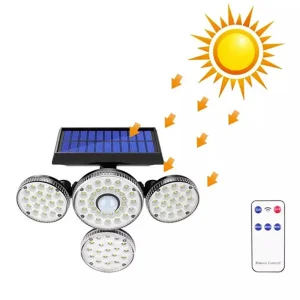
Yes, our high-end models feature adjustable sensitivity and time-delay settings via remote control, allowing you to fine-tune the sensor to ignore small animals while maintaining security for human presence.
 Boray Light